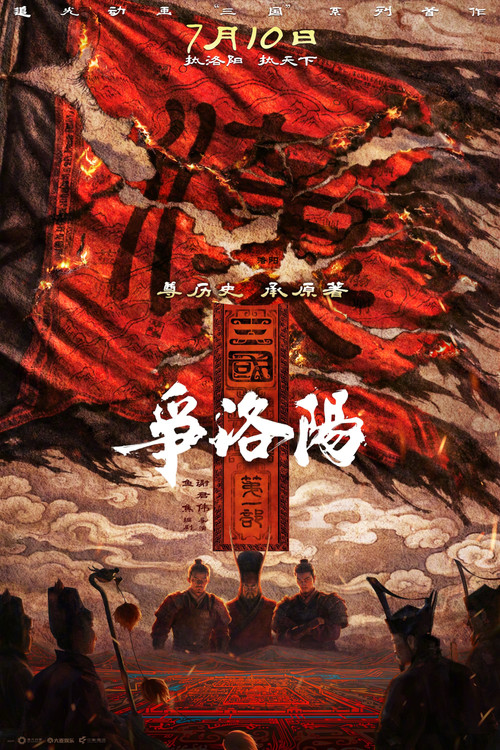
Three Kingdoms: The Beginning
2026
No user ratings available yet
Representation score: 0.3 out of 10

Representation Score
Minimal
1992
Director
Tomoharu Katsumata
Runtime
136 minutes
Average Rating
No ratings yetNew Showbiz Analysis
This adaptation of the Chinese epic emphasizes traditional storytelling and martial heroism. It prioritizes classical narrative formulas and martial prowess over challenging social hierarchies or identity-based narratives. While the film stays true to the source material, it lacks the intention to question or subvert established gender norms and power structures. The narrative remains firmly rooted in the conventions of traditional epic storytelling.
Category Breakdown
The story focuses on heterosexual relationships and traditional gender roles, with no representation of LGBTQ+ identities or experiences.
Male characters dominate the narrative, holding positions of power within a military structure. Female characters are primarily used to advance the goals of male characters.
The film is set in Japan but adapts Chinese history, presenting a predominantly Japanese perspective without significant ethnic diversity.
The story adheres to Confucian and Taoist principles, emphasizing loyalty and respect for family. It views the fall of the Han Dynasty through the lens of historical fate rather than social critique.
The film does not address neurodivergence, physical disabilities, or mental health issues. Characters are defined by their martial skills and political influence rather than by any form of disability.
Present on Screen
Limited or Absent
Official Synopsis
Begins during the Yellow Turban rebellion that initiated the downfall of the Han dynasty. Liu Bei is striving to find a way to bring order to a chaotic world. He befriends Zhang Fei and Guan Yu. They take the Oath of the Peach Garden, to live and die together as warriors for justice. Cao Cao (eventual antagonist) ponders how to fulfill his destiny as "a hero in a chaotic world or a villain in a peaceful one." English dub version cuts out 18 minutes of the film.
2026
1997
2011

2019
2012
2018
2011
2025
No reviews yet. Be the first to share your thoughts on this movie!
Use the rating form above to leave a star rating and optional review.