
Workers Leaving the Factory
1995
No user ratings available yet
Representation score: 5.4 out of 10
Representation Score
Fair
1978
Director
Harun Farocki
Runtime
83 minutes
Average Rating
No ratings yetNew Showbiz Analysis
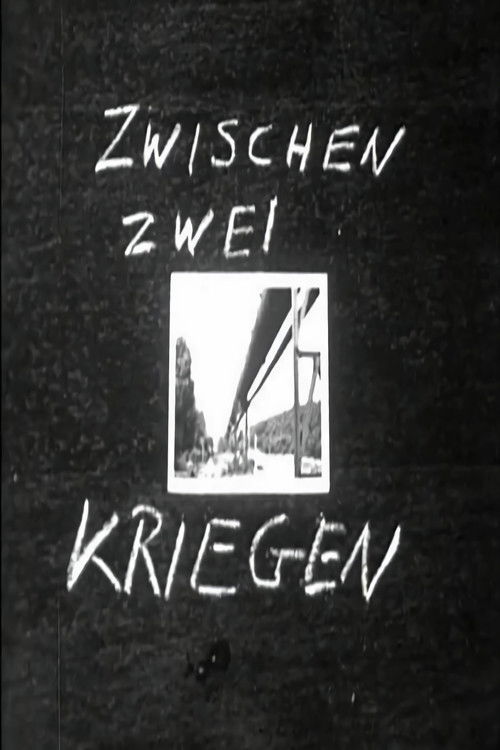
Harun Farocki’s essay film prioritizes a structuralist investigation of industrial mechanization over human-centric storytelling. By focusing on the cold logic of the blast furnace and the mechanics of power, the work intentionally moves away from character-driven melodrama. This systemic approach results in a lack of demographic breadth. The film functions as a semiotic study of machines and economic structures, which naturally limits the presence of individual identities or interpersonal ability to act. While the film excels in its intellectual critique of Western industrial progress, it remains a study of systems rather than people. This focus prevents the inclusion of diverse human experiences.
Category Breakdown
The film does not depict any LGBTQ+ identities or narratives. Instead, it focuses on industrial processes and historical trends, avoiding personal stories related to sexual orientation or gender identity.
The film centers on the dehumanizing scale of industrial machinery within a male-dominated historical workforce. It avoids traditional domestic roles but still reflects a male-coded historical context.
The film examines the technological structures of Western industrialism without highlighting non-white or non-Anglo-Saxon perspectives. It reflects the Eurocentric industrial history of the interwar era.
The film critiques industrial capitalism and systemic failures. It frames industrial progress as a cycle of systemic instability, challenging traditional institutional stability.
The film does not include any characters with visible or invisible disabilities. It uses the machine's self-destruction as a thematic abstraction of dysfunction, rather than representing human disability.
Present on Screen
Limited or Absent
Official Synopsis
A film about the time of the blast furnaces – 1917–1933 – about the development of an industry, about perfect machinery which had to run itself to the point of its own destruction.
1995

1928

1986

1971

1927
1969

1979

2003
No reviews yet. Be the first to share your thoughts on this movie!
Use the rating form above to leave a star rating and optional review.