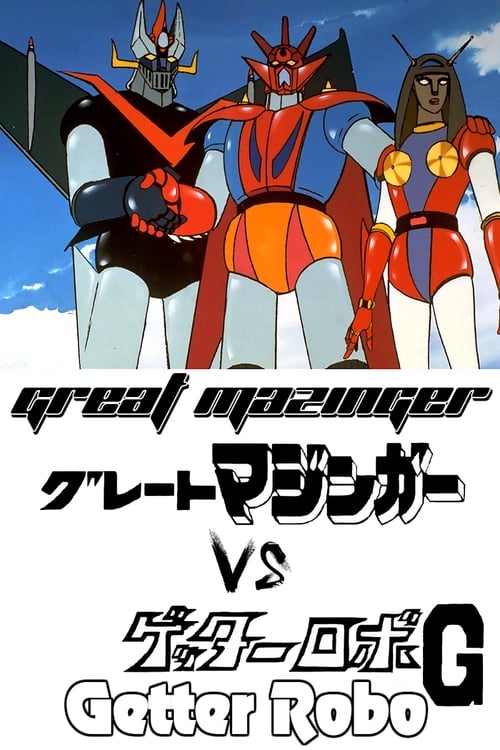
Great Mazinger vs. Getter Robo G: The Great Space Encounter
1975
No user ratings available yet
Representation score: 3.2 out of 10
Representation Score
Minimal
1977
TV-PGDirector
Tadao Nagahama
Runtime
25 minutes
Average Rating
No ratings yetNew Showbiz Analysis
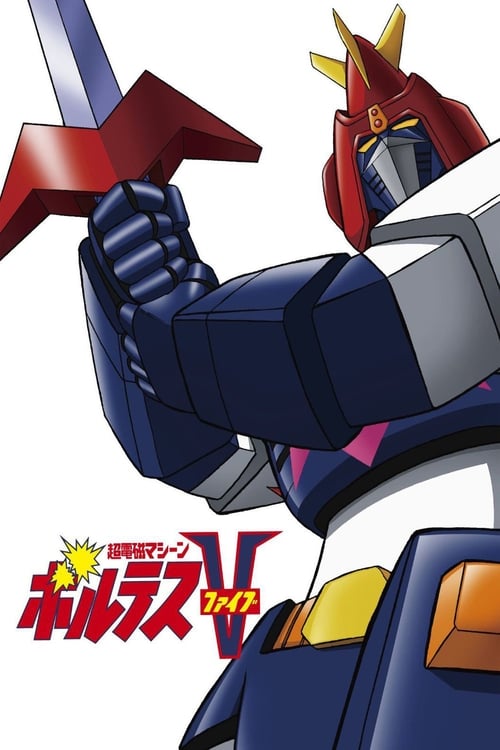
Voltes V serves as a foundational text for the Super Robot genre, emphasizing high-stakes mechanical action and heroic archetypes. The narrative is built on established hierarchies and binary moral structures typical of its era. While the series excels at establishing genre clichés, it minimally disrupts conventional social or gender norms. The focus remains on planetary survival and familial bonds rather than sociopolitical subversion. Ultimately, the work embodies traditional masculinity and a culturally specific group of defenders.
Category Breakdown
The series follows 1970s action animation conventions without depicting non-straight or non-cisgender identities. Dynamics center around military and family structures.
Gender roles follow traditional hierarchies, with male pilots holding primary ability to act and decision-making power, while female characters have conventional supporting roles.
The cast consists of a homogeneous group of Japanese characters. The narrative focuses on a centralized group of defenders against a foreign empire, avoiding diverse casting.
The story follows a classic hero/villain dichotomy between Earth and the Boazanian Empire, prioritizing traditional kinship structures and the preservation of the existing social order.
There is no representation of visible or invisible disabilities. Characters are defined by combat utility and lineage rather than physical or neurodivergent traits.
Present on Screen
Limited or Absent
Official Synopsis
Chōdenji Machine Voltes V (超電磁マシーン ボルテスV Chōdenji Mashīn Borutesu Faibu?, Super Electromagnetic Machine Voltes Five) more popularly known as Voltes V, is a Japanese anime television series that was first aired on TV Asahi starting June 4, 1977. It was created by Saburo Yatsude (a pseudonym referring to a committee within Toei Company) and directed by Tadao Nagahama. Voltes V is the second part of the Robot Romance Trilogy of the Super Robot genre which includes Chōdenji Robo Combattler V and Tōshō Daimos. Like Combattler V, the series was animated by Sunrise and produced by Toei Company. The series was animated by Sunrise on Toei's behalf. This super robot along with the other two aforementioned super robots first appeared the USA as a part of Mattel's Shogun Warriors line of import toys, released in the late 1970s.
1975
1981
1990
1992
1966

1987
1977

1985
No reviews yet. Be the first to share your thoughts on this movie!
Use the rating form above to leave a star rating and optional review.