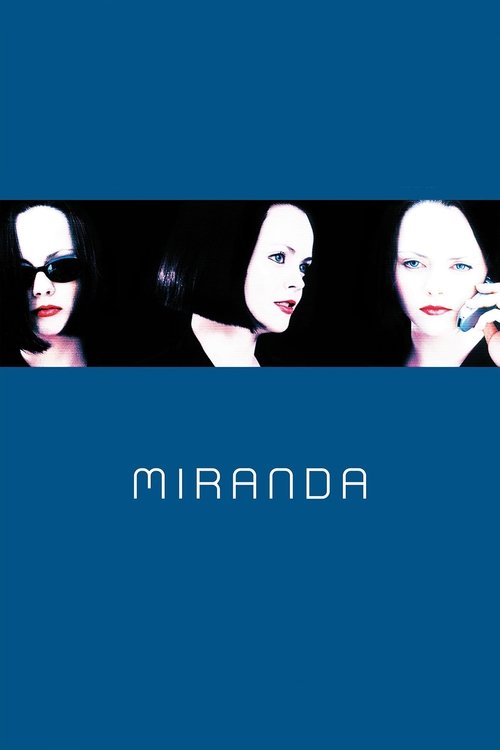
Miranda
2002
No user ratings available yet
Representation score: 6.7 out of 10

Representation Score
Good
2008
Director
Krisztina Goda
Runtime
108 minutes
Average Rating
No ratings yetNew Showbiz Analysis
Chameleon provides a psychological exploration of a social manipulator who excels at deception. It successfully dismantles traditional masculinity by showcasing a protagonist who navigates the world through performative personality changes. The film's strength lies in its thematic depth, particularly its critique of social hierarchies and its avoidance of simplistic moral judgments. It uses character-driven storytelling to explore the intersection of vulnerability and power. However, the narrative remains focused on a narrow demographic, limiting the film's broader social impact due to a lack of racial and LGBTQ+ diversity.
Category Breakdown
The film does not include explicit LGBTQ+ characters or non-straight relationships. The story revolves around predatory interactions between the male protagonist and women who are disillusioned with their roles.
Zsolt challenges traditional masculine stereotypes by using emotional manipulation instead of strength. Female characters are shown as being disappointed with their societal roles.
The setting seems predominantly homogeneous, focusing on specific professional and wealthy social circles. There is no indication of a multi-ethnic cast.
The film uses humor and moral relativism to critique capitalist systems. It emphasizes situational ethics rather than a straightforward good-versus-evil dichotomy.
Hanna, a physically incapacitated dancer, brings up themes of bodily control and vulnerability. Her role examines how physical limitations interact with economic power.
Present on Screen
Limited or Absent
Official Synopsis
While cleaning offices at night, Zsolt Kovàcs learns a lot about his invisible employers by examining what they leave behind, carefully choosing his targets, often disillusioned women whom he seduces, methodically taking their money. An artist of manipulation, with a generous dose of humor and the ability to assume different personalities, Zsolt begins to work in a psychologist's practice, where he meets Hanna, a 30-year-old dancer who is physically incapacitated and the daughter of a millionaire. The ideal victim if love doesn't get in the way.
2002

2004
1993

2009

2000
1964
2003

1972
No reviews yet. Be the first to share your thoughts on this movie!
Use the rating form above to leave a star rating and optional review.