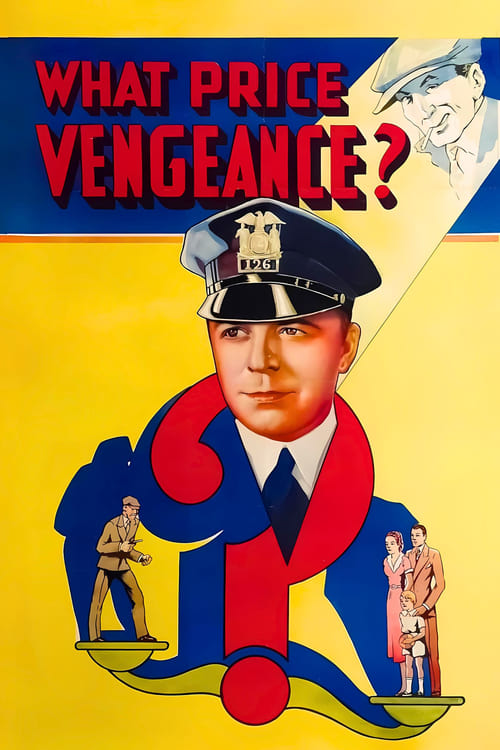
What Price Vengeance
1937
No user ratings available yet
Representation score: 0.5 out of 10
Representation Score
Limited
1935
ApprovedDirector
Erle C. Kenton
Runtime
75 minutes
Average Rating
No ratings yetNew Showbiz Analysis
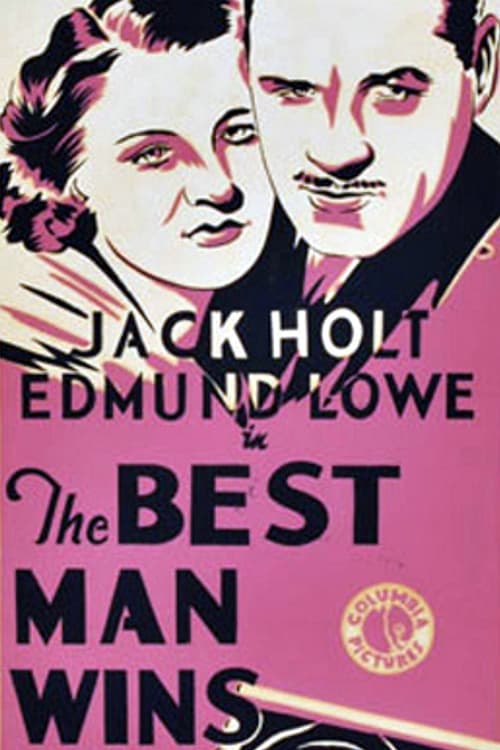
The Best Man Wins is a product of the 1930s studio system, adhering to the conventional social hierarchies and narrative structures of its time. It functions as a standard genre piece that reinforces traditional archetypes rather than challenging them. The film's focus is heavily centered on male-driven conflict and physical sacrifice. While it provides a rare look at a character navigating life with a physical disability, it does so through a narrow, period-typical lens. Ultimately, the work lacks complexity in representing multiple aspects of identity. It prioritizes a straightforward moral framework of duty and consequence over any meaningful subversion of social or cultural norms.
Category Breakdown
The film centers on traditional male friendships and law enforcement conflicts. It does not include any non-cisgender identities or same-sex relationships.
The story revolves around male characters who drive the conflict through physical sacrifice and professional duties. Traditional masculine ideals of heroism and justice dominate the narrative.
The plot follows a typical 1930s adventure story format. It centers on a traditional Western protagonist without showing diverse casting.
The film explores themes of sacrifice and law versus disorder. It highlights individual perseverance against economic hardship without critiquing broader societal issues.
The protagonist's missing arm is a key plot element. While it avoids mockery, the portrayal relies on era-specific clichés of the struggling individual.
Present on Screen
Limited or Absent
Official Synopsis
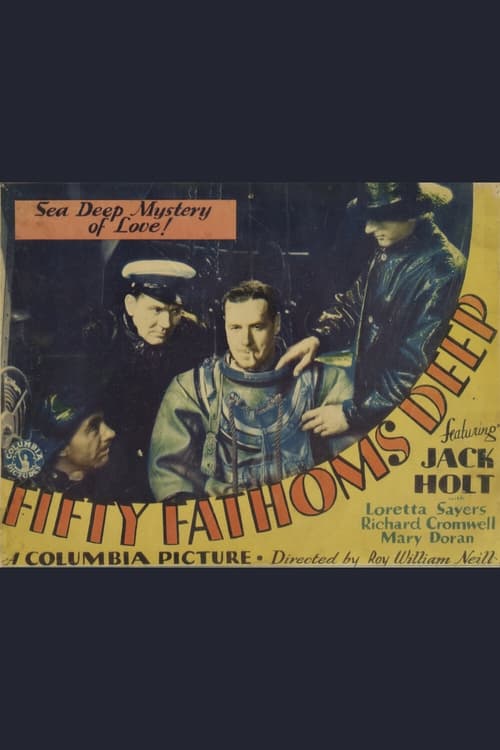
A diver saves his best friend's life but loses his own arm in doing so. Later, unable to find work because of his missing arm, he is forced to go to work for a criminal searching for lost treasures. Meanwhile his friend, who has since become a policeman, finds himself assigned to break up the crook's operation and bring in his gang--including the man who saved his life.
1937
1931
1934
1933
1931
1933
1931
1926
No reviews yet. Be the first to share your thoughts on this movie!
Use the rating form above to leave a star rating and optional review.