Fruit Punch
1991
No user ratings available yet
Representation score: 8.3 out of 10
Representation Score
Fair
1985
Director
Tsui Hark
Runtime
99 minutes
Average Rating
No ratings yetNew Showbiz Analysis
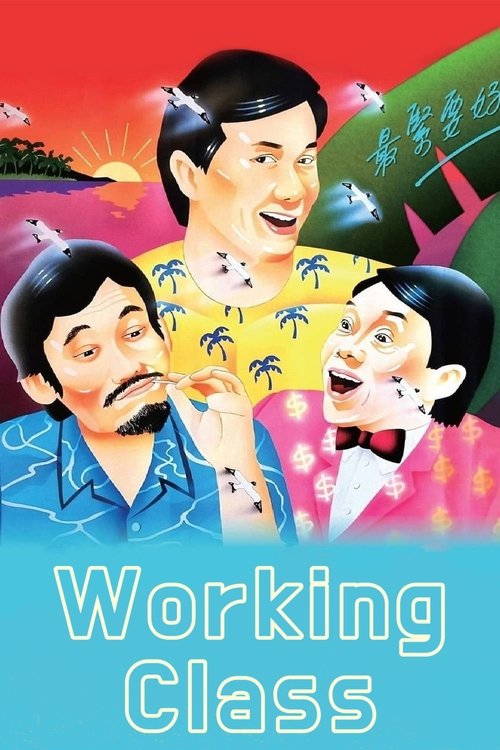
Tsui Hark’s film serves as a social commentary on class struggle and systemic friction. It excels in its critique of power dynamics and the portrayal of collective resistance against institutional mismanagement. However, the film remains limited by its narrow demographic focus, relying heavily on traditional masculine archetypes and lacking representation for LGBTQ+ identities or diverse gender roles. Ultimately, the film succeeds as a culturally specific exploration of labor relations, even if it lacks broader social inclusivity.
Category Breakdown
The film focuses on the friendship between three male characters in a work environment. There is no indication of queer identities or same-sex relationships.
The story centers on a male trio navigating a male-dominated industrial environment. It reinforces traditional masculine stereotypes without challenging gender hierarchies.
The film provides a culturally specific Cantonese-speaking perspective. It centers an East Asian viewpoint on industrial struggles rather than a Western norm.
The narrative critiques institutional authority by showing workers uniting against oppressive factory managers. It emphasizes collective action against oppressive powers.
There is no mention of characters with physical or neurodivergent disabilities in the narrative.
Present on Screen
Limited or Absent
Official Synopsis
Buddies Yam, Sunny and Ah Hing have all been dismissed. creating havoc in their jobs. The trio is employed by a noodle factory, which has a very poor labour relationship. The superiors are always harassing their subordinates, so the workers take an united front to oppose their superiors.
1991
1988
1981

1977
1994
2000
1987
1959
No reviews yet. Be the first to share your thoughts on this movie!
Use the rating form above to leave a star rating and optional review.