When Men Desire
1919
No user ratings available yet
Representation score: 0.8 out of 10
Representation Score
Minimal
1917
PassedDirector
J. Gordon Edwards
Runtime
50 minutes
Average Rating
No ratings yetNew Showbiz Analysis
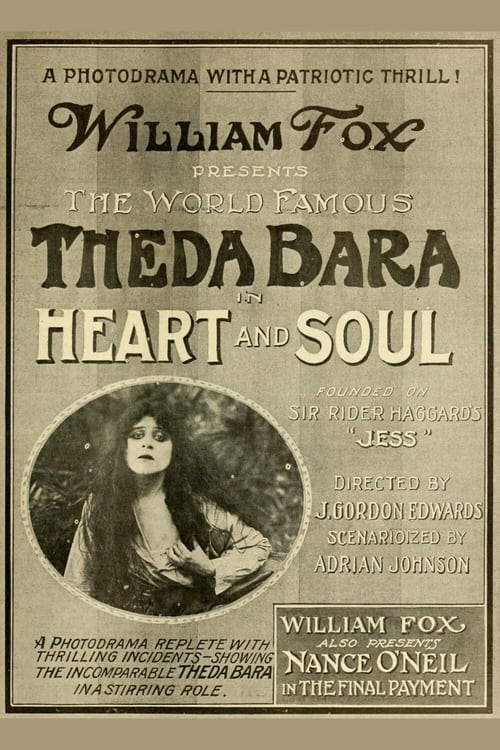
Heart and Soul is a product of its time, functioning as a typical melodrama of the early 20th century. The narrative revolves around a protagonist who tries to transform her image from a 'vixenish' persona to a more conventional, self-sacrificing archetype to benefit her sister. While the film explores themes of personal transformation, it does so through the lens of traditional gender roles. Ultimately, the film lacks complexity in representing diverse identities and adheres to the homogenous casting and moral binaries of the era.
Category Breakdown
The film does not include any characters with LGBTQ+ identities or same-sex relationships. It focuses solely on traditional heterosexual relationships and family structures.
The story relies on the cliché of female self-sacrifice. Despite the protagonist's efforts to change her image, she ends up in a submissive and martyred role.
There are no diverse characters or non-Anglo-Saxon individuals in the film. It seems to adhere to the homogenous casting practices of the early 20th century.
The plot centers on conventional morality and the redemption of a flawed character through virtue. It emphasizes social reputation and family harmony over subversive themes.
The film does not depict or include any characters with physical or neurodivergent disabilities.
Present on Screen
Limited or Absent
Official Synopsis
Desperate to change her vixenish image, Theda Bara was called upon to play a sweet young thing (she was nearly 30) who sacrifices herself for the happiness of her sister (Claire Whitney).
1919
1925
1934
1929
1933
1937

1931

1926
No reviews yet. Be the first to share your thoughts on this movie!
Use the rating form above to leave a star rating and optional review.