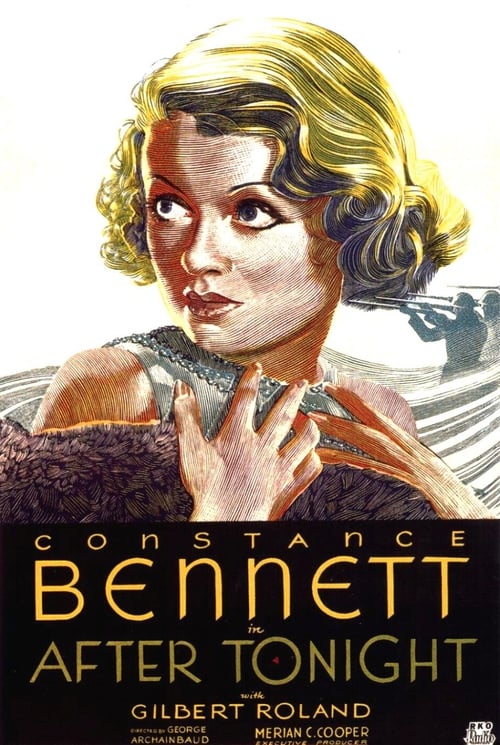
After Tonight
1933
No user ratings available yet
Representation score: 1.4 out of 10
Representation Score
Minimal
1934
NRDirector
Richard Boleslawski
Runtime
82 minutes
Average Rating
No ratings yetNew Showbiz Analysis
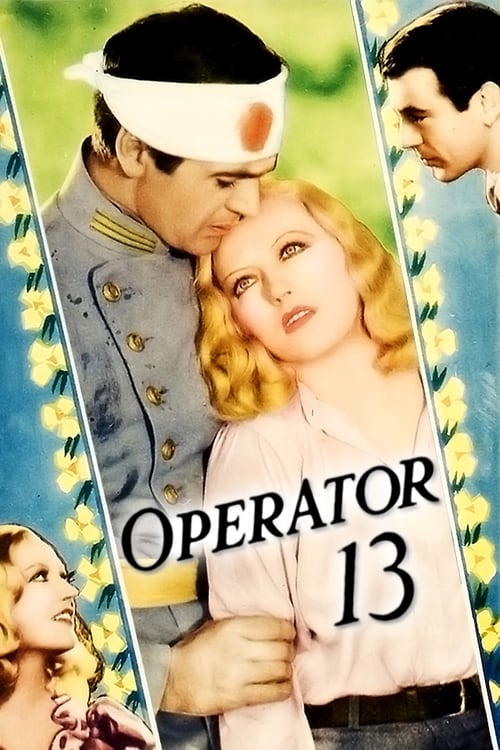
Operator 13 is a traditional period drama that adheres to the social and racial hierarchies of its era. While it avoids some of the more passive female clichés of the 1930s, it remains firmly rooted in a patriarchal military structure. The film's strength lies in its subversion of domestic female roles, yet it fails to provide meaningful representation for LGBTQ+ individuals or diverse racial groups. It functions primarily as a conventional wartime romance.
Category Breakdown
The film follows traditional heterosexual romantic conventions typical of 1930s cinema. There is no evidence of same-sex intimacy or non-binary gender identities within the narrative.
Gail Loveless plays a significant role as a spy tasked with infiltrating enemy territory. However, her actions remain tied to the objectives of a male authority figure.
The story centers on the Union and Confederate struggle through an Anglo-American lens. It lacks evidence of diverse casting or inclusion of underrepresented perspectives within the Civil War setting.
The narrative emphasizes patriotism and institutional service within a traditional historical framework. It does not challenge nationalist values or traditional family structures.
The available character descriptions provide no mention of visible or invisible disabilities.
Present on Screen
Limited or Absent
Official Synopsis
American Civil War, 1862. After the disaster of the Second Battle of Bull Run, Major Allen, chief of the Secret Service of the Union, asks actress Gail Loveless to become one of his operators and infiltrate enemy territory.
1933
1980
1944
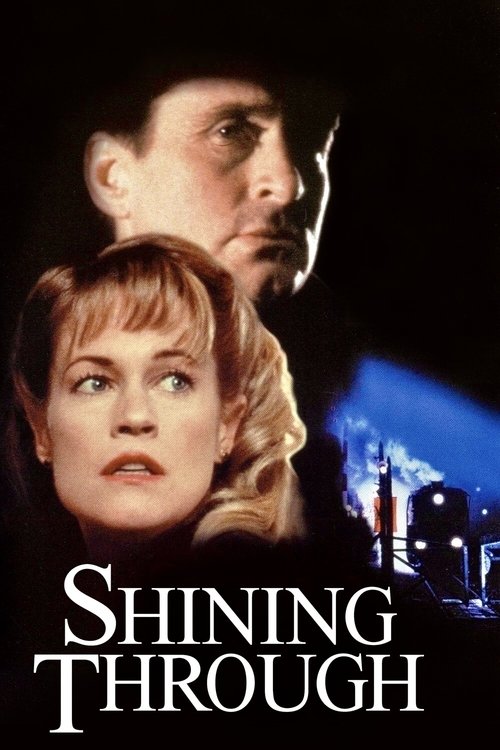
1992
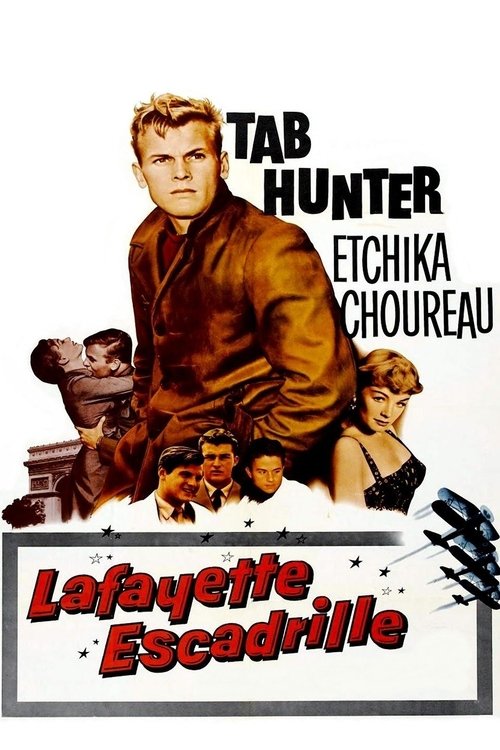
1958
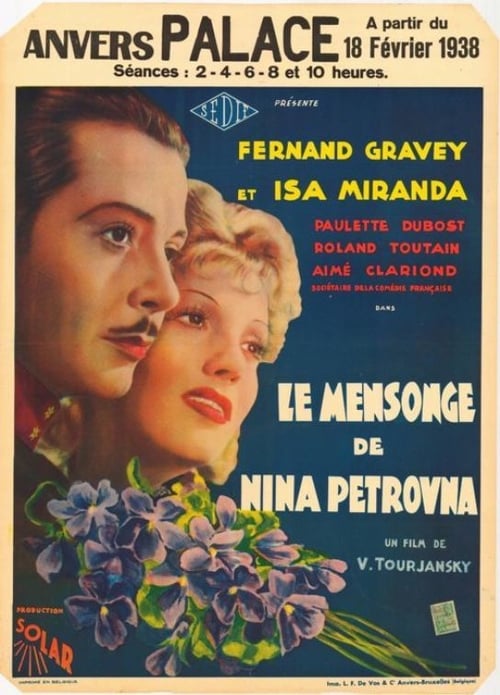
1937

1944
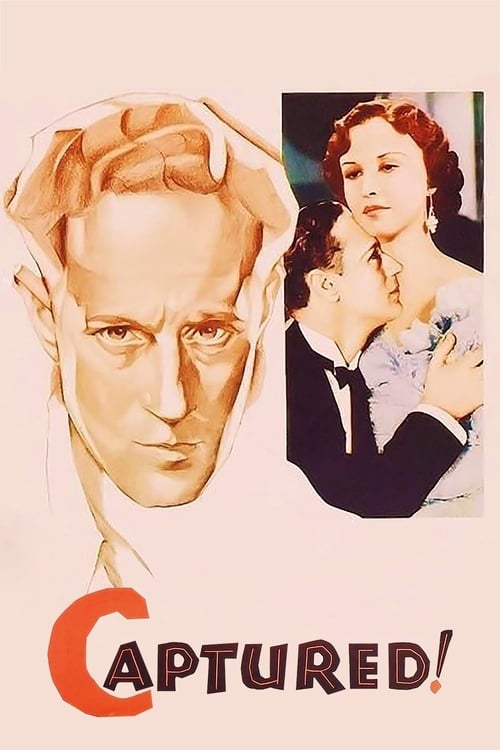
1933
No reviews yet. Be the first to share your thoughts on this movie!
Use the rating form above to leave a star rating and optional review.