I'm Hungry, I'm Cold
1984
No user ratings available yet
Representation score: 8.2 out of 10
Representation Score
Fair
1939
Director
André de Toth
Runtime
84 minutes
Average Rating
No ratings yetNew Showbiz Analysis
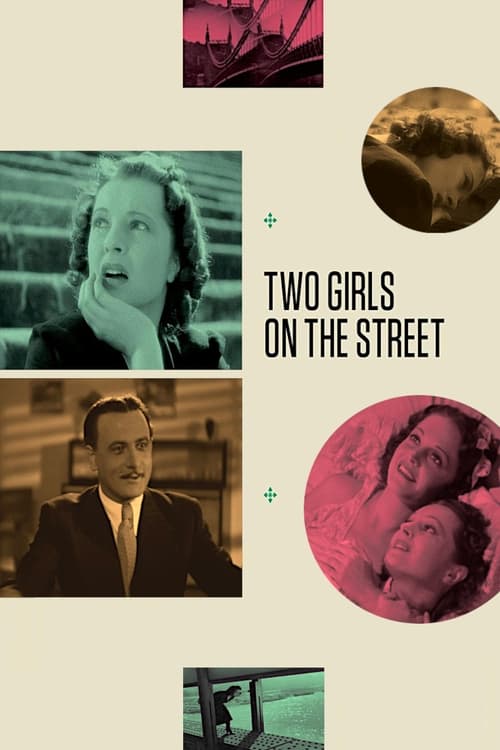
Two Girls on the Street is a character-driven drama that emphasizes the reclaiming of ability to act outside traditional family structures. By focusing on two women from different backgrounds, the film explores themes of female resilience and the breakdown of rigid class systems. The urban landscape of Budapest serves as a backdrop for self-reinvention and empowerment. However, the film's era limits its representation of racial diversity or LGBTQ+ identities. The focus remains on class and gendered survival within a specific Hungarian context.
Category Breakdown
The film does not include explicit representations of LGBTQ+ identities or relationships that challenge the assumption that everyone is straight or cisgender. Instead, it focuses on female solidarity and survival.
The movie highlights the roles of two women who navigate a patriarchal urban environment. They are shown as active participants in their own lives, rather than passive victims.
The film depicts the socio-economic differences of 1930s Hungary, emphasizing class distinctions between aristocracy and peasantry. It does not focus on ethnic or racial diversity.
The film portrays aristocratic families as punitive institutions. It favors a secular, survivalist morality where characters find empowerment through urban labor and mutual support.
There are no visible or invisible disabilities among the main characters.
Present on Screen
Limited or Absent
Official Synopsis
Two girls run away from a small village. Gyöngyi comes from an aristocratic family and her father throws her out of the house when he discovers she has gotten pregnant out of wedlock. She finds herself wandering the streets of Budapest and earns money playing the violin in a restaurant. Vica is an orphaned peasant; she is afraid of her stepfather and moves to the city where she gets a job on a construction site. Gyöngyi and Vica meet on the streets of Budapest, move in together and turn their lives around.
1984

1929

1981

2002
1954

2021
1975
1951
No reviews yet. Be the first to share your thoughts on this movie!
Use the rating form above to leave a star rating and optional review.