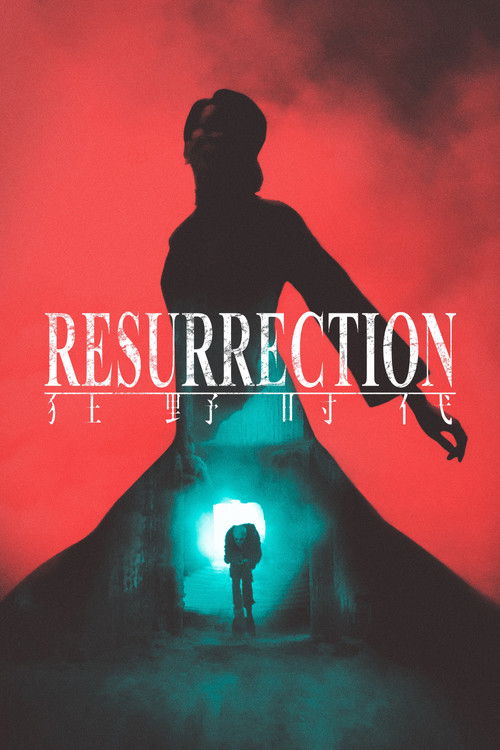
Resurrection
2025
No user ratings available yet
Representation score: 8.6 out of 10
Representation Score
Good
2001
Director
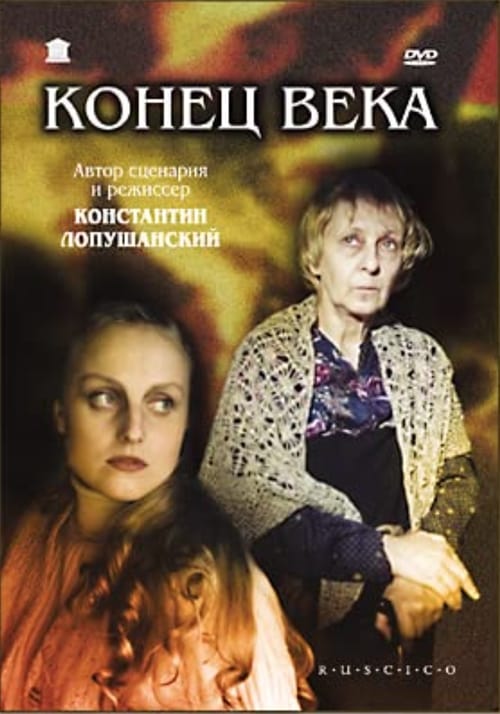
Konstantin Lopushansky
Runtime
151 minutes
Average Rating
No ratings yetNew Showbiz Analysis
The film operates primarily as a metaphysical inquiry into the human psyche, prioritizing internal, subjective experiences over overt demographic representation. This approach makes its diversity profile more philosophical than social. While it lacks specific character-driven data regarding race or orientation, the narrative structure deconstructs objective reality. This approach offers a progressive value by favoring fluid, internal understandings of the human condition. Ultimately, the work's strength lies in its challenge to conventional epistemological structures rather than its depiction of diverse social identities.
Category Breakdown
The film does not include explicit representations of LGBTQ+ characters or explore non-traditional gender identities. Instead, it focuses on metaphysical journeys rather than interpersonal relationships based on sexual orientation.
The film emphasizes the universal human psyche, suggesting a potential to go beyond traditional gender roles. However, it is unclear whether the film actively challenges these roles or maintains traditional gender hierarchies.
Reflecting a post-Soviet perspective, the film explores ancestral history through genetic memory. There is no indication of intentional racial blending or casting actors from diverse backgrounds.
The film challenges Western institutional frameworks by prioritizing subjective, psychedelic experiences over religious dogma. It promotes a form of secular mysticism and individualistic, experiential truth.
The exploration of altered states of consciousness serves as a metaphor for neurodivergence. This focus provides a framework that may validate non-traditional cognitive processes.
Present on Screen
Limited or Absent
Official Synopsis
'The Institute of Conscious Dreams' is a mysterious place. True miracles happen; it is here, during psychedelic sessions, that a door opens into a different reality, into the depths of a person's consciousness and his genetic memory.
2025
1973
1979
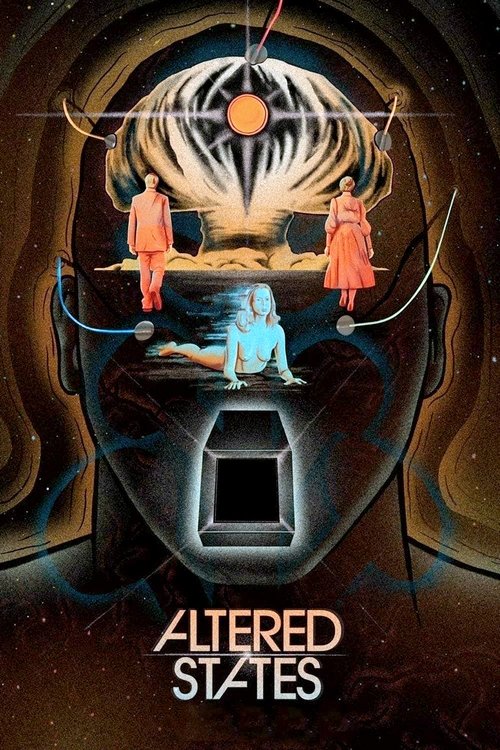
1980
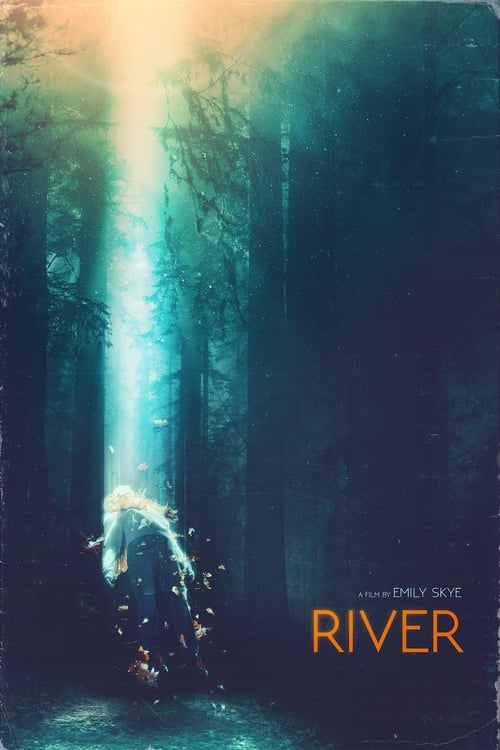
2021
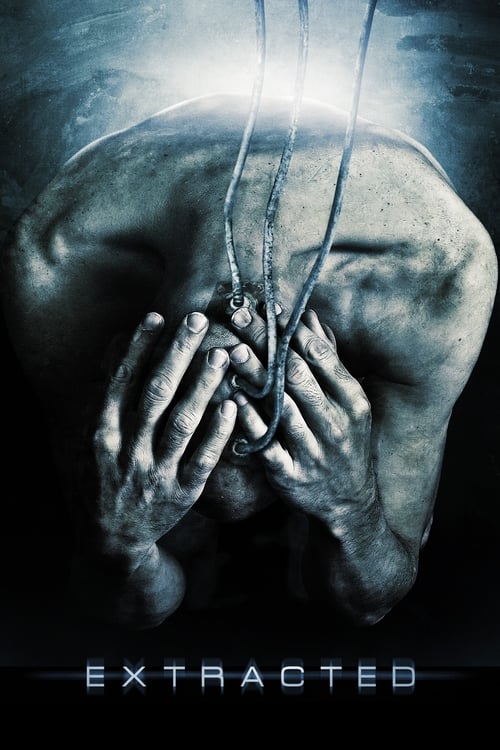
2012
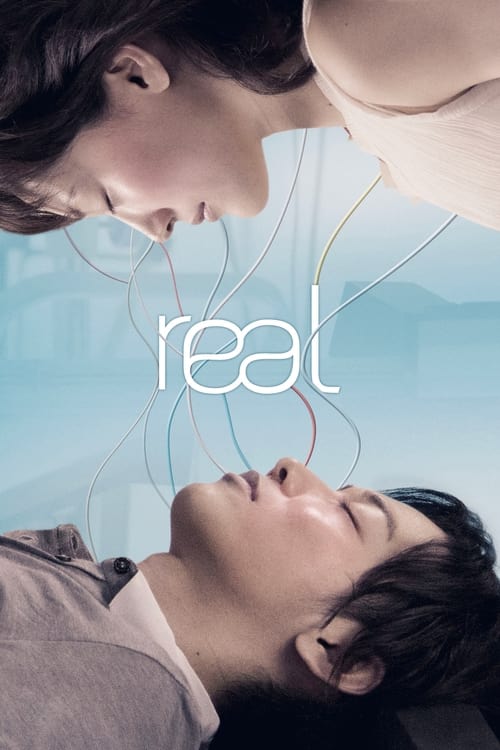
2013
2000
No reviews yet. Be the first to share your thoughts on this movie!
Use the rating form above to leave a star rating and optional review.