
LX 2048
2020
No user ratings available yet
Representation score: 6.1 out of 10
Representation Score
Excellent
2025
NRDirector
Bi Gan
Runtime
159 minutes
Average Rating
No ratings yetNew Showbiz Analysis
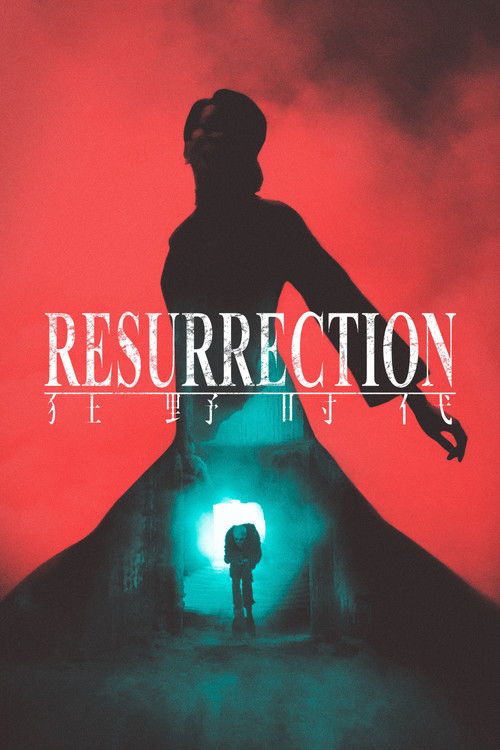
Bi Gan’s *Resurrection* uses a sensory-driven, non-linear structure to critique a futuristic society that has traded dreaming for immortality. By focusing on a 'Deliriant' living on the fringes, the film prioritizes subjective, spiritual experiences over rigid, empirical structures. The film challenges genre expectations by offering a culturally specific perspective that avoids Western-centric sci-fi defaults. It elevates underrepresented views of reality through its focus on the 'dysfunctional' nature of memory and dreaming. While the film provides deep philosophical complexity, its focus on non-normative identities and sensory 'otherness' remains largely metaphorical. This creates a sophisticated narrative that challenges social hierarchies without relying on traditional character archetypes.
Category Breakdown
The film explores a deep, emotional bond between Qiu and a musician, highlighting a spiritual intimacy that goes beyond typical romantic relationships. This focus on outsider identities suggests a nuanced look at non-traditional ways of being.
A female protagonist takes a leading role in discovering and preserving lost cinematic techniques. Her active involvement positions her as a figure of technical expertise rather than a passive observer.
The film presents a worldview rooted in Chinese cinematic traditions, drawing heavily from Buddhist thought and Eastern sensory philosophy. This approach challenges the dominance of Western science fiction clichés.
The narrative critiques institutional stability by portraying the pursuit of immortality as a loss of the human soul. It frames the protagonist's search for delirium as a radical act of reclaiming oneself. The film embraces subjective truth through dream sequences.
The concept of the Deliriant serves as a metaphor for neurodivergent or non-conforming ways of experiencing the world. The protagonist's condition is integrated into the film's sensory exploration, avoiding simple clichés in favor of philosophical inquiry.
Present on Screen
Limited or Absent
Official Synopsis
In a world where humanity has lost the ability to dream, one creature remains entranced by the fading illusions of the dreamworld. This monster, adrift in reverie, clings to visions no one else can see—until a woman appears. Gifted with the rare power to perceive these illusions for what they truly are, she chooses to enter the monster's dreams, determined to uncover the truth that lies hidden within.
2020

2024

2021

2015

2021
2017

2024
2021
No reviews yet. Be the first to share your thoughts on this movie!
Use the rating form above to leave a star rating and optional review.