
The Third Planet
1991
No user ratings available yet
Representation score: 4.1 out of 10
Representation Score
Limited
1979
Not RatedDirector
Andrei Tarkovsky
Runtime
162 minutes
Average Rating
No ratings yetNew Showbiz Analysis
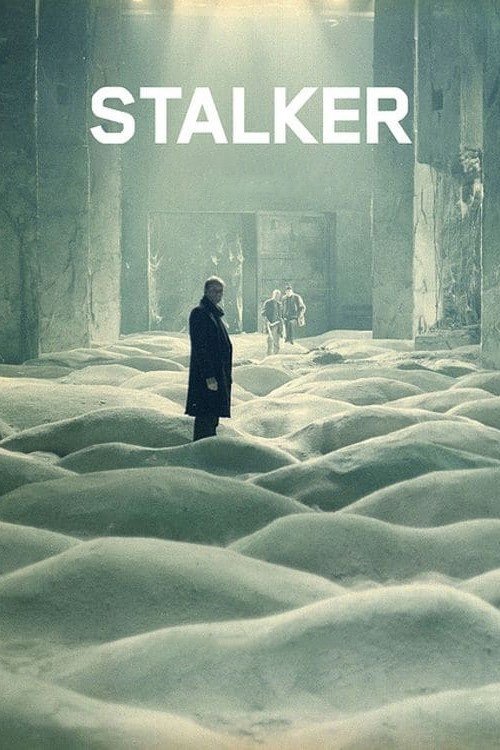
Tarkovsky’s masterpiece centers on metaphysical inquiry rather than social identity. The film serves as a philosophical study of the human condition, often bypassing traditional demographic representation in favor of universal themes. While it lacks diversity in terms of gender, race, and sexual orientation, it offers a sophisticated critique of institutional authority and scientific certainty. Its impact lies in its subversion of grand narratives, though it remains rooted in a specific, homogeneous cultural context.
Category Breakdown
The film does not include any LGBTQ+ characters or stories. Relationships focus on the three male protagonists and the domestic life of the Stalker's wife.
The story is driven by male perspectives and intellectual conflicts. Women are confined to domestic roles, serving as anchors to reality rather than agents of change.
The cast is uniform, reflecting its Soviet-era setting. Characters exist within a localized Eastern European framework without exploring racial diversity.
The film questions scientific materialism and institutional authority. It emphasizes subjective morality and spiritual necessity over organized religion and rational progress.
There are no explicit depictions of physical or neurodivergent disabilities. Instead, characters face psychological vulnerabilities used as philosophical metaphors for existential despair.
Present on Screen
Limited or Absent
Official Synopsis
Near a gray and unnamed city is the Zone, a place guarded by barbed wire and soldiers, and where the normal laws of physics are victim to frequent anomalies. A stalker guides two men into the Zone, specifically to an area in which deep-seated desires are granted.
1991

1989

1987

1972
2001

1967

1989
1980
No reviews yet. Be the first to share your thoughts on this movie!
Use the rating form above to leave a star rating and optional review.