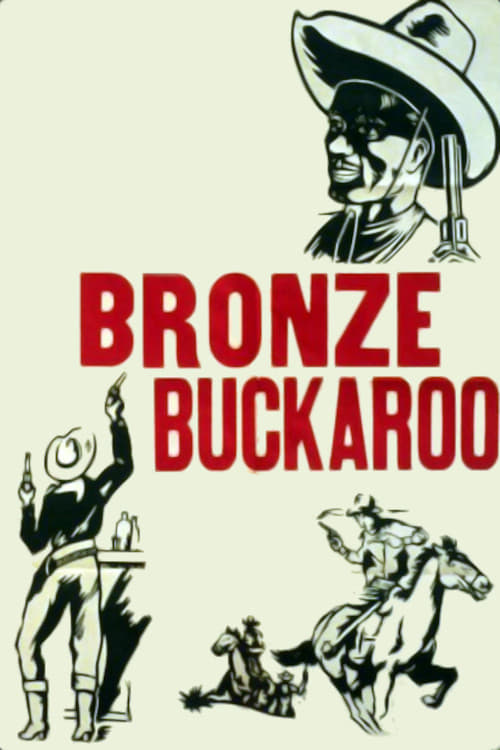
The Bronze Buckaroo
1939
No user ratings available yet
Diversity score: 1.9 out of 10
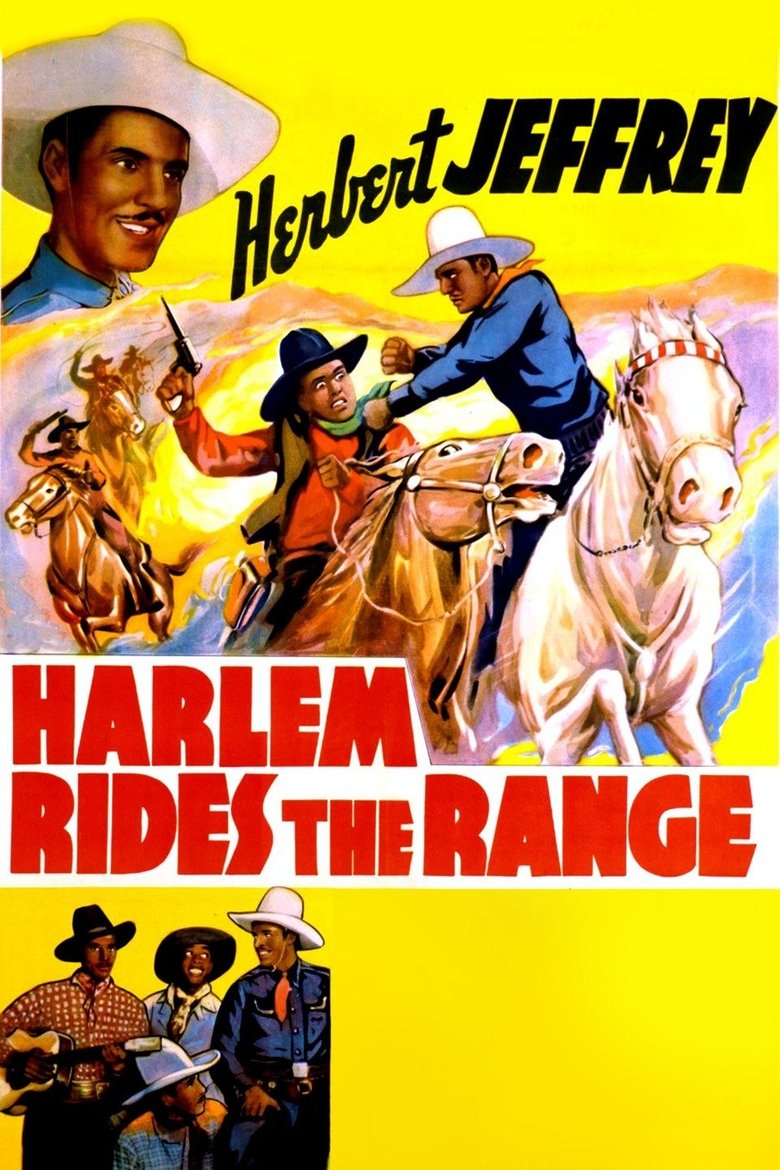
1939
NRDirector
Richard C. Kahn
Runtime
56 minutes
Average Rating
No ratings yetSynopsis
A wandering cowboy and his sidekick try to resolve a murder.
Overall Score
Fair
Category Breakdown
LGBTQ+ Representation
The film contains no evidence of LGBTQ+ characters or non-cisnormative identities. It adheres strictly to the social and cinematic norms of 1939.
Gender Representation
The narrative focuses heavily on male-driven action and frontier justice. It reinforces conventional gender hierarchies by prioritizing male leadership and physical prowess over female agency.
Racial & Ethnic Diversity
This film disrupts the Western genre by centering a Black cast in roles of high agency. It portrays Black cowboys as competent heroes, dismantling tropes of subservience.
Religious & Cultural Diversity
The film asserts a Black presence within the American mythos, challenging Eurocentric frontier narratives. It operates within traditional Western structures of community and order.
Disability Representation
There is no documented evidence of characters with physical or neurodivergent disabilities. No such figures are utilized as central plot devices.
Strengths
Areas for Improvement
AI Analysis
Harlem Rides the Range is a significant historical disruption of the Western genre. By placing Black protagonists in roles of heroism and competence, it actively counters the systemic exclusion found in mainstream 1930s cinema. While the film excels in racial agency, it remains bound by the era's limitations regarding gender and LGBTQ+ representation. The focus on masculine archetypes and traditional social norms prevents a higher overall score. Ultimately, the film serves as a vital reclamation of the American frontier, providing a necessary counter-narrative to the monolithic, white-coded identity of the traditional Western.
1939
1939
1918
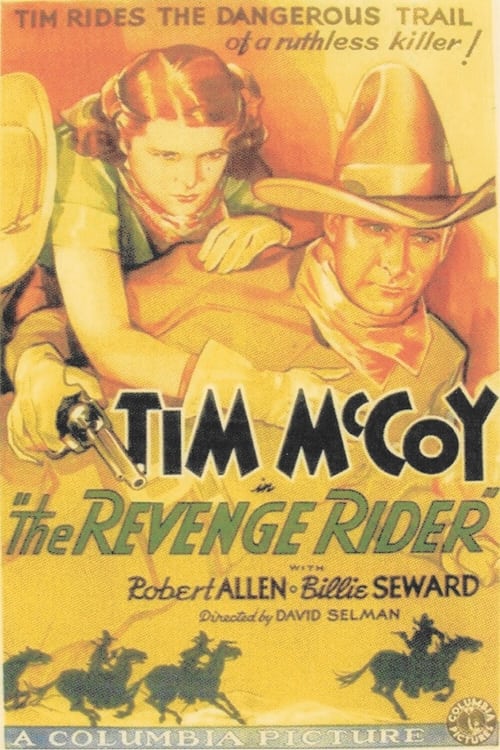
1935
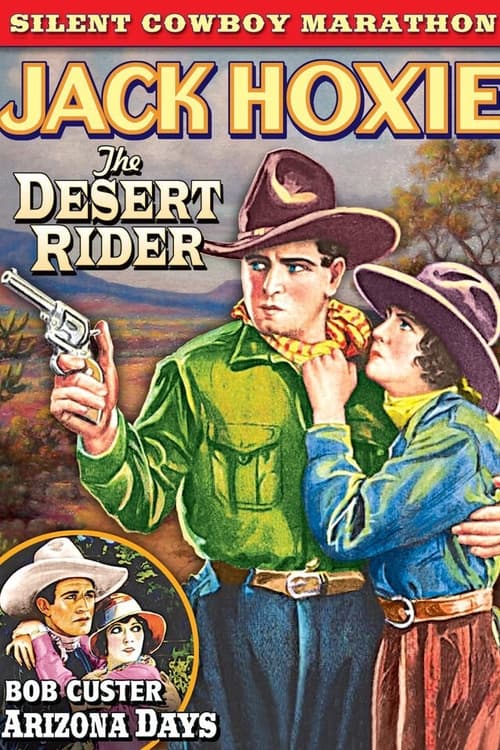
1929
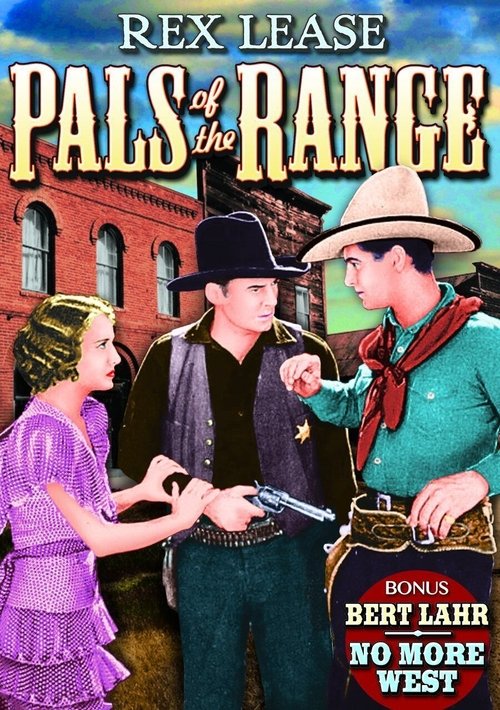
1935
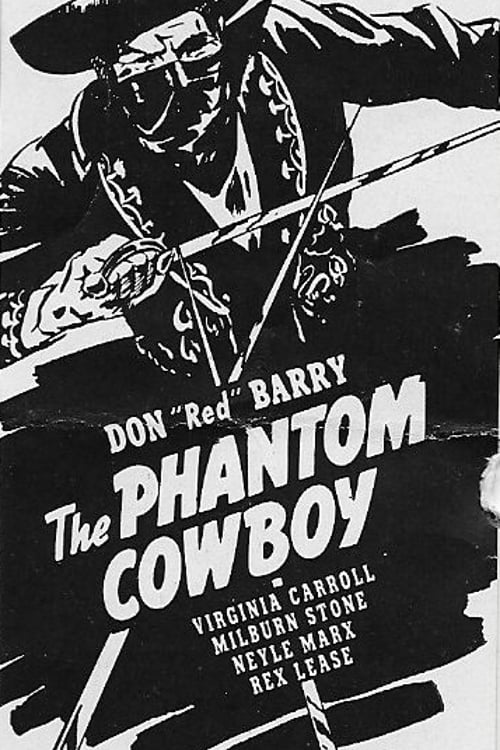
1941
1942
1935

1951
1932
1938
No reviews yet. Be the first to share your thoughts on this movie!
Use the rating form above to leave a star rating and optional review.