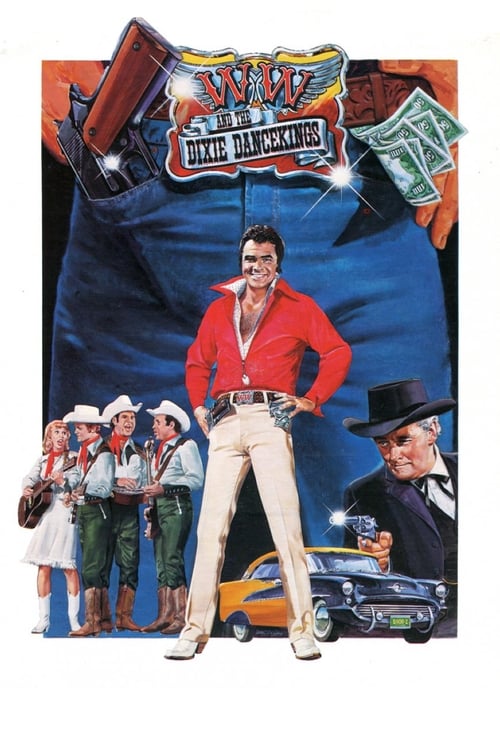
W.W. and the Dixie Dancekings
1975
No user ratings available yet
Representation score: 1.0 out of 10
Representation Score
Minimal
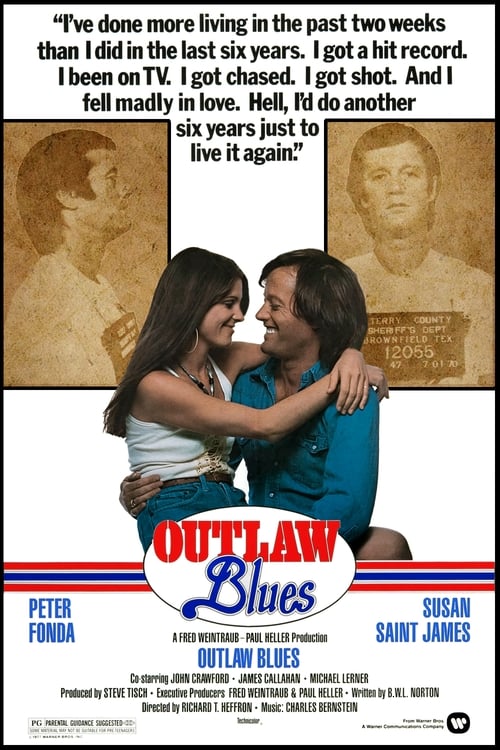
1977
PGDirector
Richard T. Heffron
Runtime
100 minutes
Average Rating
No ratings yetNew Showbiz Analysis
Outlaw Blues is a conventional genre piece that prioritizes personal retribution over the deconstruction of social structures. It relies on a standard protagonist-versus-antagonist framework typical of its era. The film reinforces prevailing 1977 social norms rather than challenging them. While it offers a minor degree of character's ability to drive the story through a female ally, it lacks multi-layered complexity. Ultimately, the work functions as a standard action-comedy, lacking intentionality regarding systemic representation or diverse casting.
Category Breakdown
The film does not include any characters with non-traditional gender identities. The central conflict follows traditional action-comedy themes common in the 1970s.
A shrewd background singer serves as a strategic ally to the protagonist, offering a slight departure from the damsel in distress cliché. However, actively leading female leadership remains unconfirmed.
The narrative focuses on a conflict within the country music industry. There is no indication of a diverse cast or the use of non-white characters to challenge historical norms.
The story critiques professional hierarchies and systemic unfairness through a plot about intellectual property theft. It functions primarily as a personal grievance narrative rather than a broad institutional critique.
There is no mention of characters navigating physical, sensory, or neurodivergent experiences within the story.
Present on Screen
Limited or Absent
Official Synopsis
An aspiring musician is released from prison to find that a song he had written while locked up has been stolen and made into a hit record by a country music superstar. When his confrontation with the star takes a violent turn the ex-con has to go back on the run, but he finds an unexpected ally in a shrewd background singer with a plan to turn the tables in his favor.
1975
1972

1985

1968
1984

1974
1967
1986
No reviews yet. Be the first to share your thoughts on this movie!
Use the rating form above to leave a star rating and optional review.