Wild Guitar
1962
No user ratings available yet
Representation score: 1.8 out of 10
Representation Score
Minimal
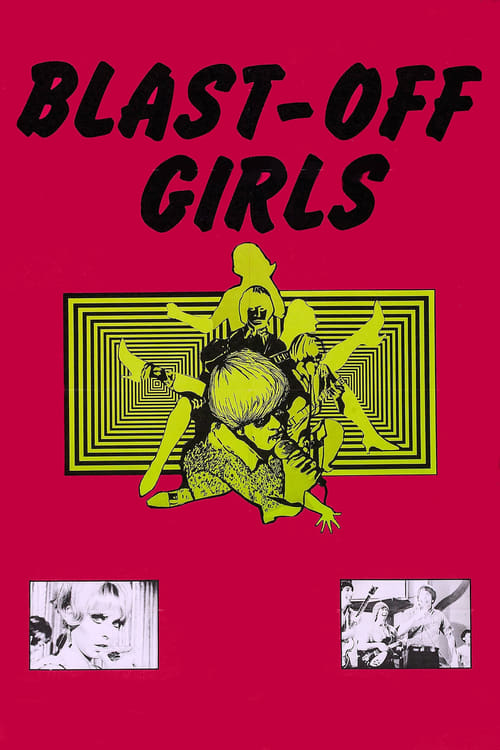
1967
NRDirector
Herschell Gordon Lewis
Runtime
83 minutes
Average Rating
No ratings yetNew Showbiz Analysis
Blast-Off Girls operates within the conventions of 1960s exploitation cinema, focusing on genre-driven spectacle and low-budget filmmaking techniques. The film does not engage deeply with social issues or diverse representation. The narrative centers on a male promoter pursuing profit, reinforcing traditional power structures without challenging them. This leaves little room for diverse perspectives. Overall, the film serves as a specific character study of greed in the 1960s. It lacks the intentionality needed to disrupt established norms or provide a platform for underrepresented groups.
Category Breakdown
The film does not include any characters with queer identities or narratives that go beyond assuming everyone is straight. It follows the typical themes of 1967 exploitation cinema.
Even though the title hints at a focus on women, the story revolves around a male promoter who exploits a band. Women in the film are mostly shown as objects of spectacle rather than having control over their own lives.
Despite being set in Chicago, the film sticks to the homogeneous casting practices common in low-budget films of the late 1960s. There are no characters of color who play significant roles.
The story emphasizes individual greed and a cynical view of capitalism. It does not offer a deeper critique of Western institutions or systemic issues.
There are no characters with visible or invisible disabilities in the film.
Present on Screen
Limited or Absent
Official Synopsis
A sleazy record promoter tries to make it big with a local Chicago garage band and plans to make them famous while keeping the profits for himself.
1962
1971
1963
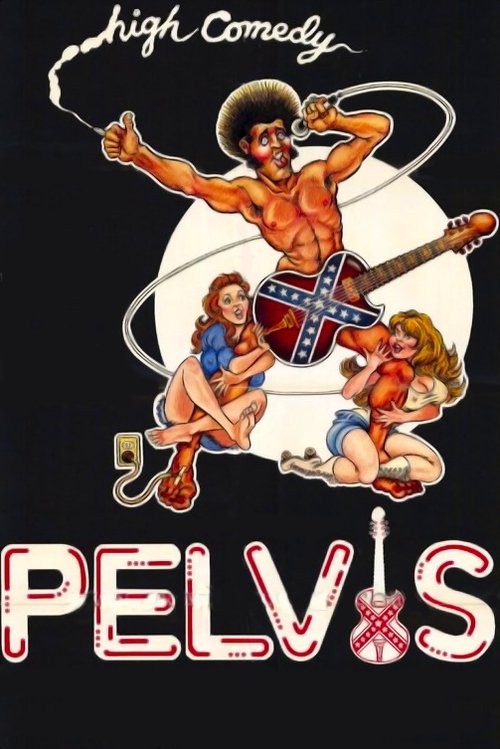
1977
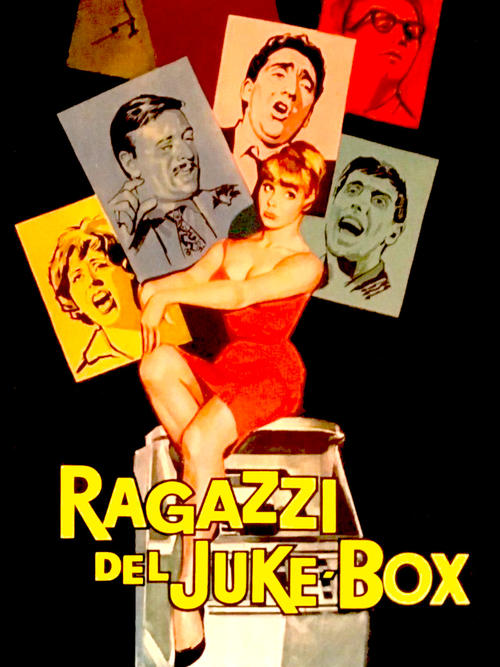
1959

1968
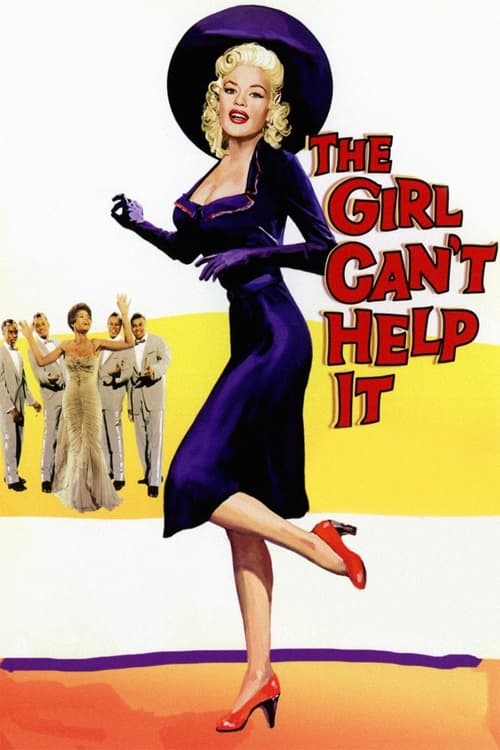
1956

1956
No reviews yet. Be the first to share your thoughts on this movie!
Use the rating form above to leave a star rating and optional review.