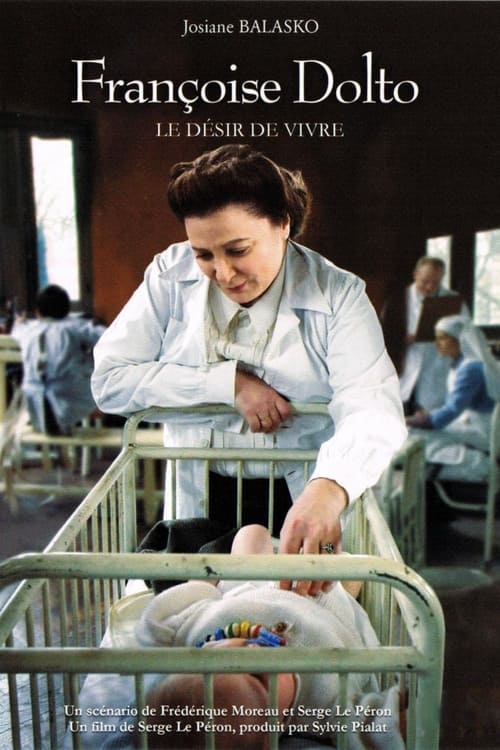
Françoise Dolto, for the love of children
2008
No user ratings available yet
Representation score: 8.1 out of 10
Representation Score
Fair
2018
Director
Philippe Niang
Runtime
96 minutes
Average Rating
No ratings yetNew Showbiz Analysis
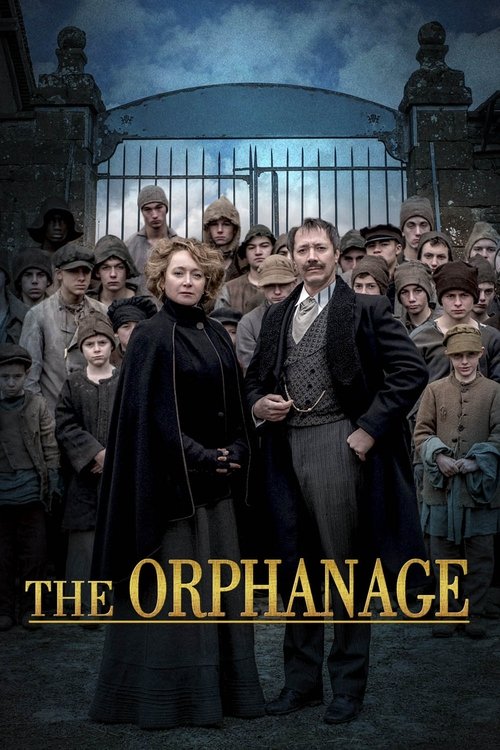
The Orphanage is a social drama that centers on a woman fighting systemic economic oppression. It subverts domestic clichés by focusing on female resilience and the struggle against institutional power. However, the film's diversity is limited by its specific historical setting and narrow narrative focus. It lacks visible LGBTQ+ representation and specific evidence of racial or disability-based diversity.
Category Breakdown
The film does not include visible representation of queer identities or non-straight characters. The story focuses almost entirely on the socioeconomic struggles of the protagonist set in 1911 France.
Louise Perreau is a strong central figure who drives the plot through her intelligence and resilience. She navigates economic survival in Paris as a mother.
Set in 1911 France, the film likely features a predominantly white cast. While it explores the struggles of underrepresented individuals, there is no specific evidence of non-white representation.
The narrative critiques traditional institutions and societal hierarchies, highlighting the conflict between individual well-being and the rigid structures of early 20th-century French society.
There is no information regarding the inclusion or portrayal of characters with physical or neurodivergent disabilities.
Present on Screen
Limited or Absent
Official Synopsis
France, 1911. Louise Perreau, struggling financially to raise her son Gaston, gets a new job in Paris that brings her hope for a better life.
2008
1921
2008

2022
2006

1999

1959
2008
No reviews yet. Be the first to share your thoughts on this movie!
Use the rating form above to leave a star rating and optional review.