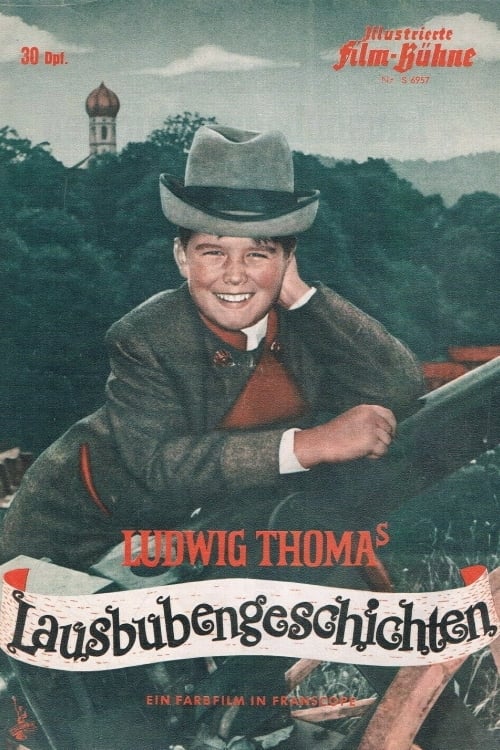
Lausbubengeschichten
1964
No user ratings available yet
Diversity score: 3.6 out of 10

1972
PGDirector
Bob Einstein
Runtime
66 minutes
Average Rating
No ratings yetSynopsis
Nixon and Agnew played as Laurel and Hardy.
Overall Score
Limited
Category Breakdown
LGBTQ+ Representation
The film contains no evidence of LGBTQ+ characters or narratives. It does not address non-heteronormative identities.
Gender Representation
The narrative focuses on a male-centric political duo. While slapstick subverts traditional masculine leadership, there is a notable lack of female agency.
Racial & Ethnic Diversity
The film reflects a homogeneous white political landscape centered on the Nixon/Agnew administration. There is no evidence of a diverse supporting cast.
Religious & Cultural Diversity
The film achieves cultural subversion by using slapstick to critique political institutions. It disrupts the perceived dignity of Western political authority through parody.
Disability Representation
No details are available regarding the depiction of physical or neurodivergent characters in this production.
Strengths
Areas for Improvement
AI Analysis
Another Nice Mess is a targeted political satire that uses the comedic archetypes of Laurel and Hardy to personify Richard Nixon and Spiro Agnew. The film relies on historical parody and vaudevillian tropes to deconstruct these political figures. While the film offers a sharp critique of power structures, it lacks demographic breadth. The narrative is centered on a specific, historically homogeneous political era, which limits its intersectional reach. Ultimately, the work functions as a deconstruction of authority rather than a study of social inclusivity. It prioritizes institutional critique over diverse representation.
1964
1965
1977

1976
1983

1977

1962
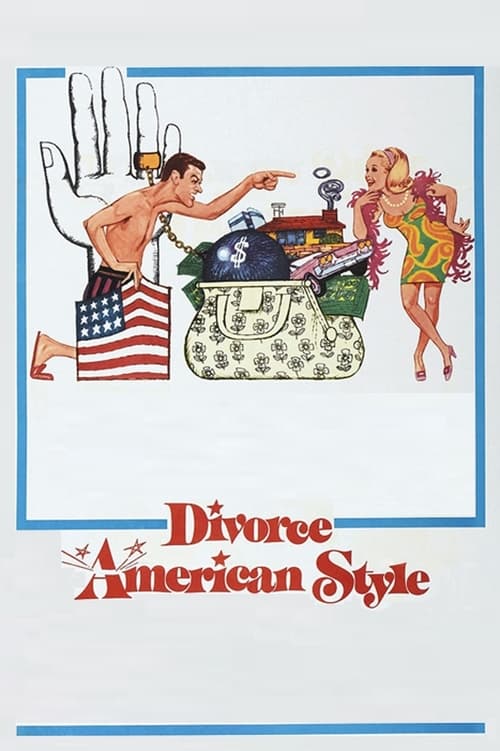
1967
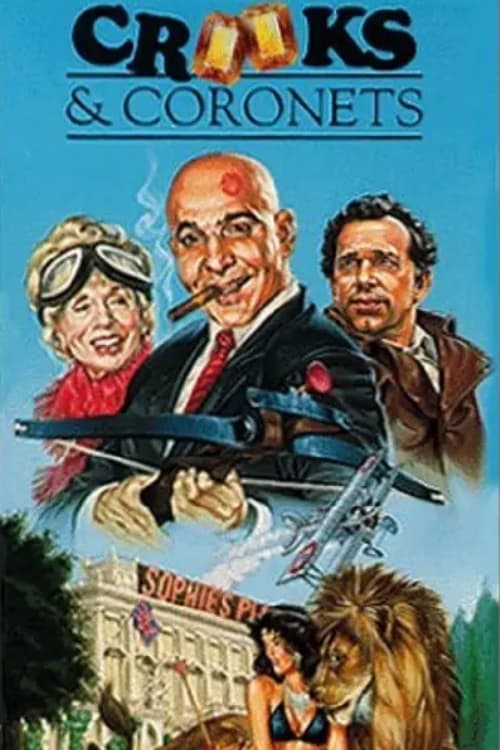
1969
1967
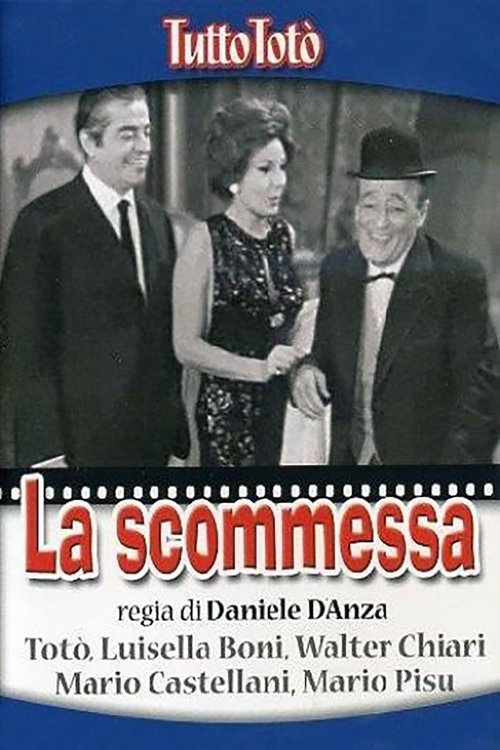
1967
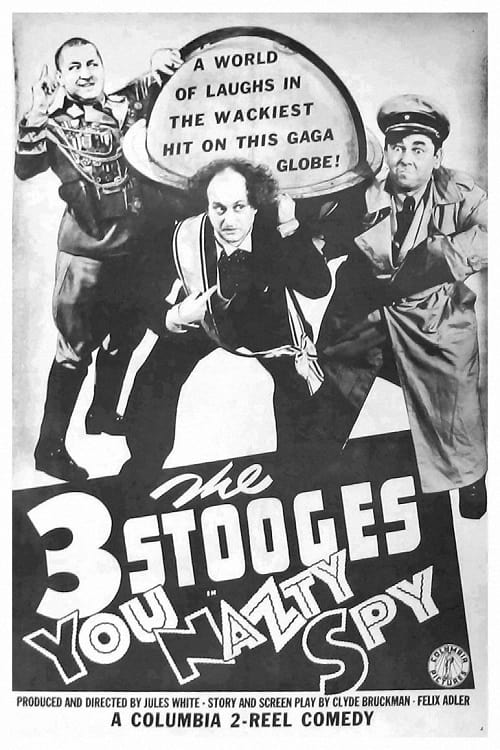
1940
No reviews yet. Be the first to share your thoughts on this movie!
Use the rating form above to leave a star rating and optional review.