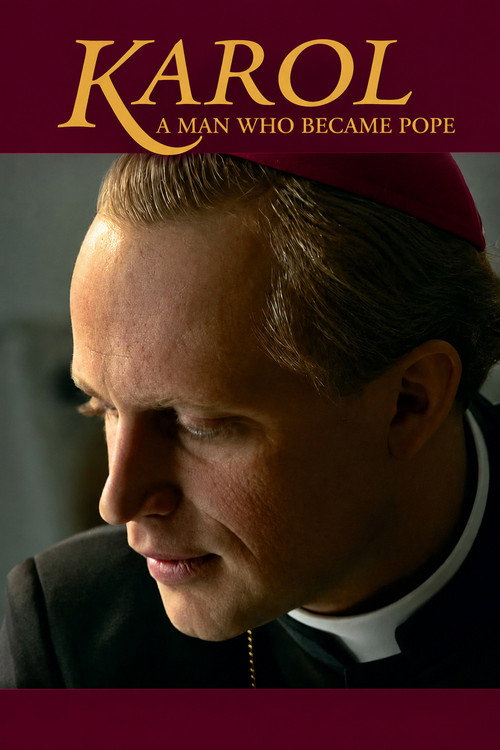
Karol: A Man Who Became Pope
2005
No user ratings available yet
Representation score: 0.6 out of 10
Representation Score
Minimal
2006
PGDirector
Giacomo Battiato
Runtime
155 minutes
Average Rating
No ratings yetNew Showbiz Analysis
Karol: The Pope, The Man is a traditional biographical drama that emphasizes historical and theological accuracy. The film upholds established social and religious hierarchies without challenging conventional social expectations. The narrative structure celebrates the sanctity of the Catholic Church and the life of Karol Wojtyła. It focuses on traditional Western values and religious authority during a specific period of Polish history. Due to its adherence to a classical storytelling approach centered on a singular religious leader, the film lacks diversity in gender, race, and LGBTQ+ representation.
Category Breakdown
The film does not include any LGBTQ+ characters or explore non-traditional gender identities. The story centers on the protagonist's spiritual journey within the Catholic Church.
The narrative follows a patriarchal structure, with male religious leaders playing key roles. Women are present in the community but do not have central roles in the ecclesiastical storyline.
The cast is primarily made up of actors with similar ethnic backgrounds to maintain historical accuracy. The film emphasizes the specific ethnic identity of the Polish people under Soviet influence.
The film highlights traditional Western institutions and the authority of the Catholic Church. It presents a singular Christian perspective as a moral guide against Communism.
There are no significant portrayals of visible or invisible disabilities that serve as central narrative drivers or character arcs.
Present on Screen
Limited or Absent
Official Synopsis
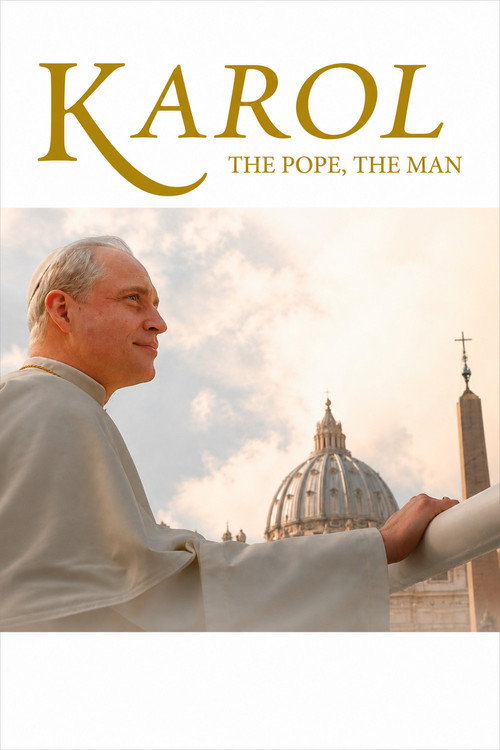
This highly acclaimed feature film on Pope John Paul II was filmed on location in Italy and Poland. Focusing on the papacy of John Paul and the tremendous impact he had on the Church and the world, Karol: The Pope, The Man stars actor Piotr Adamczyk in a deeply moving portrayal of the beloved pontiff. It is the powerful true story of a charismatic spiritual leader who helped bring down Communism, renewed the life of the Church, greatly impacted youth worldwide with love for Christ, and a Pope who reached out to other religions and world leaders with a message of peace and love. Also stars Raoul Bova (Saint Francis), Michele Placido (Padre Pio: Between Heaven and Earth) and Adriana Asti as Mother Teresa. The beautiful film score is by legendary film composer Ennio Morricone.
2005
1950
1981
1991
1965
2023
2003
1984
No reviews yet. Be the first to share your thoughts on this movie!
Use the rating form above to leave a star rating and optional review.