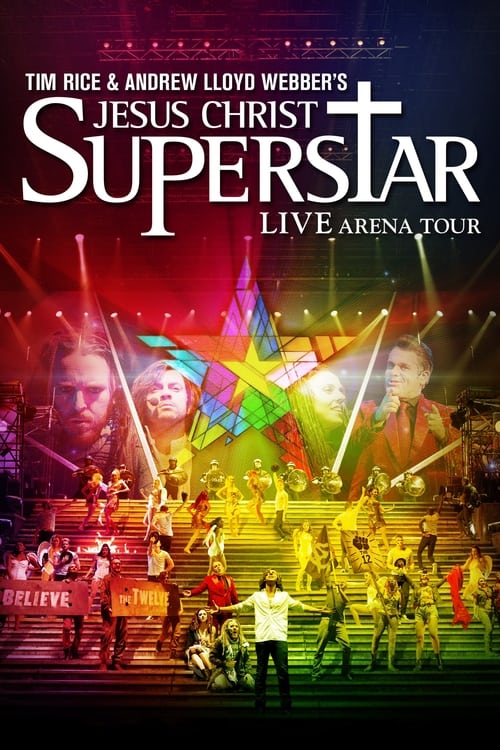
Jesus Christ Superstar - Live Arena Tour
2012
No user ratings available yet
Representation score: 6.0 out of 10
Representation Score
Fair
2000
UnratedDirector
Gale Edwards, Nick Morris
Runtime
107 minutes
Average Rating
No ratings yetNew Showbiz Analysis
This filmed stage production uses a modern, anachronistic setting to deconstruct traditional biblical narratives, creating space for a more inclusive visual palette and a critique of institutional power. However, the production remains limited by its traditional focus on male-driven politics and a lack of explicit LGBTQ+ identities. Ultimately, the work's strength lies in its nuanced exploration of systemic corruption and the psychological burdens of its central figures.
Category Breakdown
The film explores the intense relationship between Jesus and Judas, offering a deep subtext that challenges traditional stories focused on straight relationships.
Male characters dominate the political and spiritual aspects of the story, while female characters like Mary Magdalene provide emotional support but do not drive the main plot.
The stylized, non-historical setting features a multi-ethnic cast among the disciples and crowd, but the lead roles remain predominantly white.
The film critiques religious and political institutions, framing authority as a systemic force of oppression and exploring moral relativism through Judas's motivations.
There are no prominent depictions of visible or invisible disabilities that serve as central narrative drivers in this production.
Present on Screen
Limited or Absent
Official Synopsis
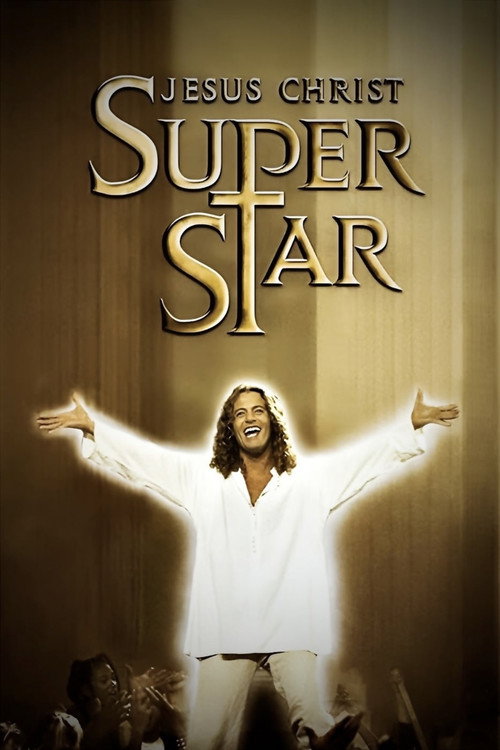
Tim Rice and Andrew Lloyd Webber's Jesus Christ Superstar first exploded onto the West End stage in 1971 and it was clear that the musical world would never be the same again. For the first time ever, Jesus Christ Superstar has been specially filmed for video. Shot at Pinewood Studios, this brand new filmed stage version starring Glenn Carter and Rik Mayall captures one of the best score Andrew Lloyd Webber has ever written and is packed with hit songs including, 'I Don't Know How To Love Him', 'Gethsemane' and 'Superstar'.
2012
1973

2016
2010
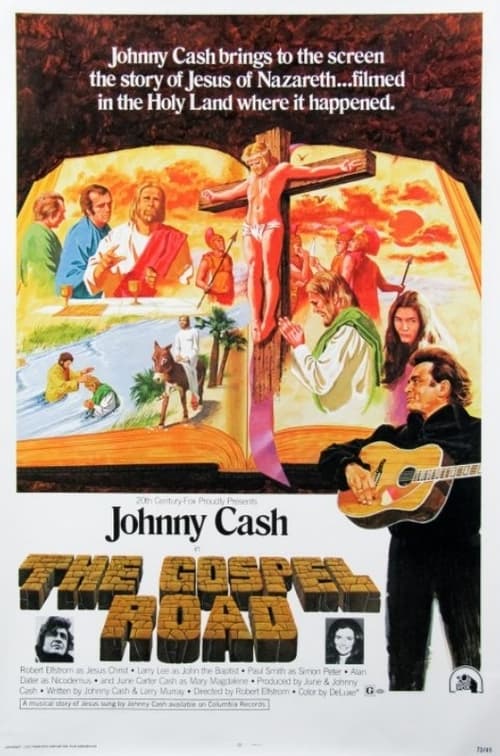
1973
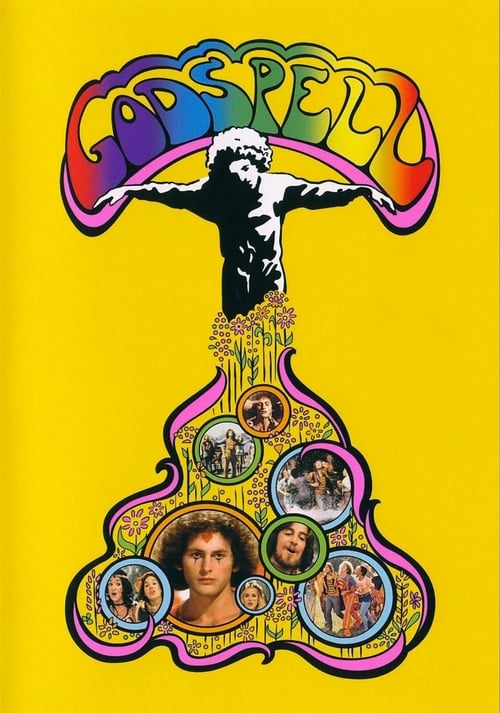
1973
No reviews yet. Be the first to share your thoughts on this movie!
Use the rating form above to leave a star rating and optional review.