
One Minute to Zero
1952
No user ratings available yet
Representation score: 2.3 out of 10
Representation Score
Minimal
1942
ApprovedDirector
D. Ross Lederman
Runtime
58 minutes
Average Rating
No ratings yetNew Showbiz Analysis
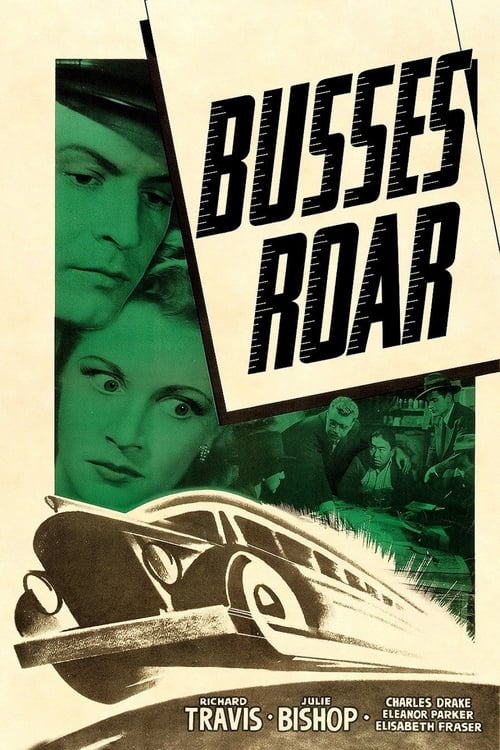
Busses Roar is a classic product of its 1942 wartime context, functioning as a traditional action-drama. The film relies on established mid-century hierarchies and clear-cut moral binaries to drive its plot. The narrative prioritizes masculine heroism and patriotic duty, centering on a sergeant's efforts to thwart Axis agents. This focus reinforces the era's standard social norms. Ultimately, the film offers minimal disruption to conventional social structures, reflecting the industrial filmmaking standards of the early 1940s B-movie circuit.
Category Breakdown
The film does not include any LGBTQ+ characters or stories that go beyond the assumption that everyone is straight or cisgender. It follows the strict social norms of the 1942 wartime era.
The story focuses on a male sergeant who performs heroic deeds. This reinforces traditional ideas of masculine leadership and the role of a protector.
The casting likely reflects the homogeneous standards of 1940s wartime propaganda. The narrative emphasizes the stability of the Allied forces, which historically lacked significant racial diversity.
The film promotes traditional Western values and patriotism. It supports a singular moral framework centered on protecting national resources like California oil fields.
There are no characters with visible or invisible disabilities in the film's narrative or historical records.
Present on Screen
Limited or Absent
Official Synopsis
A sergeant saves the day when Axis agents plant a bomb on a bus bound for California oil fields.
1952
1945

1942
1958
1959
1956

1943

1950
No reviews yet. Be the first to share your thoughts on this movie!
Use the rating form above to leave a star rating and optional review.