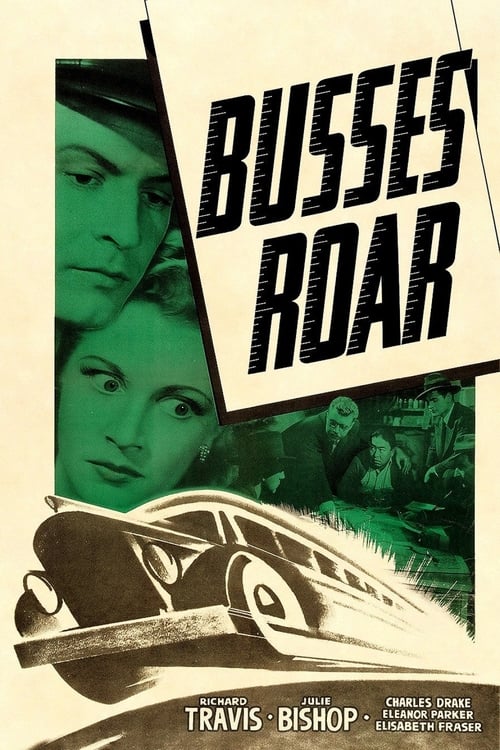
Busses Roar
1942
No user ratings available yet
Representation score: 1.3 out of 10

Representation Score
Minimal
1942
PassedDirector
Albert Herman
Runtime
67 minutes
Average Rating
No ratings yetNew Showbiz Analysis
A Yank in Libya is a typical wartime drama that focuses on geopolitical conflicts and moral binaries. The film uses the standard cinematic structure of the 1940s, highlighting Western heroism and institutional authority. Despite its non-Western setting, the narrative perspective remains colonial, using diverse ethnic characters primarily to create tension that needs Western intervention to resolve. Overall, the film reinforces the social and political norms of the 1940s, offering little in the way of challenging traditional hierarchies or exploring complex identity dynamics.
Category Breakdown
The film follows the strict gender roles of the 1940s and does not include any non-traditional gender identities or critiques of the assumption that everyone is straight.
Nancy Brooks has a professional role in British Intelligence, but her actions follow traditional gender roles. The story is mainly driven by male characters and masculine leadership.
The film features Arab tribal leaders but uses a colonialist perspective where Western intelligence is the main force maintaining stability against ethnic threats.
The story upholds Western institutional values through a wartime lens, emphasizing the preservation of existing political structures without challenging cultural norms.
There are no visible or invisible disabilities that play a central role in the character arcs or the overall narrative.
Present on Screen
Limited or Absent
Official Synopsis
American correspondent Mike Malone uncovers a Nazi plot for an uprising of the Arab tribes in Lybia. Pursued by Sheik David and his men, Mike takes refuge in the suite of Nancy Brooks, who is in the British Intelligence. He asks her to hide a gun and escapes through a window. Reporting the affair to British Consul Herbert Forbes, the latter tries to discourage him from further investigation, as the British are aware of the plot and are planning on staging a coup. He goes with Mike to Nancy's apartment, and she denies having ever seen him before. Sheik Ibrahim, next in command of the Arab tribe to Sheik David, is plotting with Nazi agent Yussof Streyer to kill David who is friendly with the British. Mike and Nancy have gone to David's camp, escape from Ibrahim's henchmen, and get back to El Moktar before the Arabs attack the garrison.
1942

1952

1952
1945
1941

1943
1941
1943
No reviews yet. Be the first to share your thoughts on this movie!
Use the rating form above to leave a star rating and optional review.