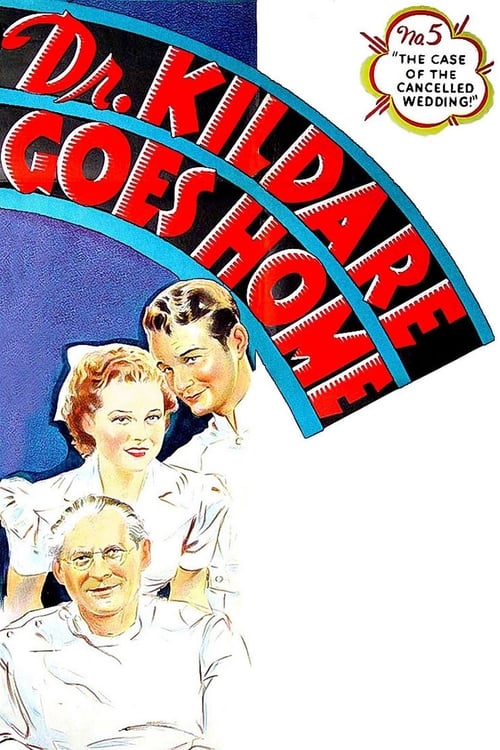
Dr. Kildare Goes Home
1940
No user ratings available yet
Representation score: 1.7 out of 10

Representation Score
Minimal
1947
Director
John Harlow
Runtime
83 minutes
Average Rating
No ratings yetNew Showbiz Analysis
Green Fingers is a conventional mid-century character drama focused on professional legitimacy and social mobility. The narrative centers on a fisherman's journey toward becoming an osteopath, using his unlicensed medical success as the primary engine for conflict. The film adheres strictly to the social hierarchies and traditional storytelling structures of the 1947 British studio system. It prioritizes individual perseverance and domestic stability over systemic critique or diverse representation. Ultimately, the work functions as a standard period piece that reinforces established social and legal frameworks through its focus on marriage and professional establishment.
Category Breakdown
The film follows a traditional romantic storyline through the marriage of the protagonist and his patient. There is no evidence of LGBTQ+ identities or same-sex relationships.
Gender roles in the film align with 1947 cinematic standards. The female lead is primarily defined by her illness and her relationship to the male protagonist as a patient and wife.
The narrative reflects the homogeneous social structures typical of mid-century British drama. There is no indication of non-Anglo-Saxon characters or diverse casting.
Themes center on professional legitimacy and the sanctity of marriage. The story emphasizes social integration and respect for established legal and social orders.
A character's chronic illness serves as a central plot driver. However, the portrayal appears to function as a device for the protagonist's development rather than a nuanced exploration of the character's experiences.
Present on Screen
Limited or Absent
Official Synopsis
A fisherman begins studying to be an osteopath. Although he isn't finished with medical school, he begins treating his landlady's daughter who is believed to have a chronic illness. He seems to cure her, and the case draws a lot of attention, some of it negative because he was unlicensed when he treated her. He still does not have a degree when he marries the daughter and begins practising osteopathy.
1940
1965
1933

1930

1934
1949
1938
1934
No reviews yet. Be the first to share your thoughts on this movie!
Use the rating form above to leave a star rating and optional review.