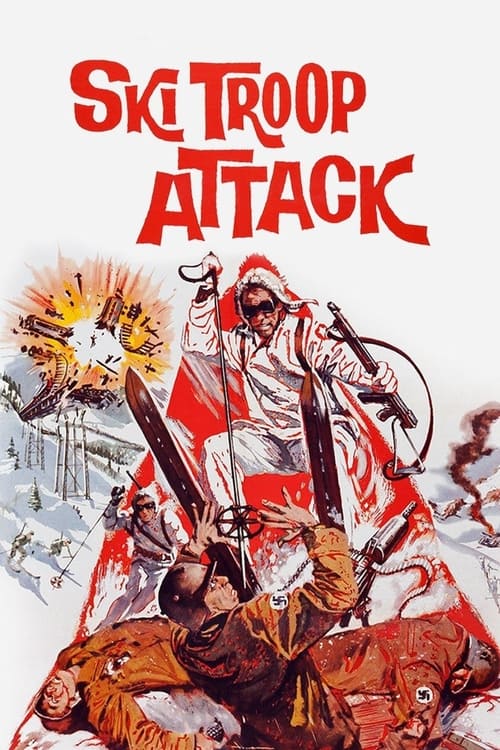
Ski Troop Attack
1960
No user ratings available yet
Representation score: 1.4 out of 10

Representation Score
Limited
1934
NRDirector
John Ford
Runtime
73 minutes
Average Rating
No ratings yetNew Showbiz Analysis
The film is a survivalist character study that prioritizes the psychological breakdown of a homogeneous group. It operates within the rigid social and cinematic constraints of the 1930s, focusing on group cohesion and its eventual dissolution. Representation is minimal across the board. The narrative relies on traditional colonial-era clichés, where the setting is non-Western but the characters remain almost entirely European. The absence of women and LGBTQ+ identities keeps the film within a strictly traditional masculine framework. While the film offers a compelling look at the fragility of authority and the descent into antisocial behavior, it does so through the lens of environmental extremity rather than a systemic critique of identity or social power.
Category Breakdown
The film features an all-male military ensemble with no depictions of LGBTQ+ identities or queer-coded subtext.
The cast is exclusively male, leaving women with no presence or role in the narrative. The story focuses on the erosion of military rank rather than gendered power dynamics.
The cast is predominantly white and European despite the desert setting. Local populations are depicted only as de-individualized, unseen threats.
The story explores the collapse of Western military discipline under extreme conditions. It examines how survival instincts eventually supersede institutional loyalty.
There is no intentional representation of physical or neurodivergent disabilities. Psychological deterioration is treated strictly as a symptom of dehydration and trauma.
Present on Screen
Limited or Absent
Official Synopsis
A World War I British Army patrol is crossing the Mesopotamian desert when their commanding officer, the only one who knows their destination, is killed by the bullet of unseen bandits. The patrol's sergeant keeps them heading north on the assumption that they will hit their brigade. They stop for the night at an oasis and awaken the next morning to find their horses stolen, their sentry dead, the oasis surrounded and survival difficult.
1960
1943
2022
1939
1954
1941

1964
1953
No reviews yet. Be the first to share your thoughts on this movie!
Use the rating form above to leave a star rating and optional review.