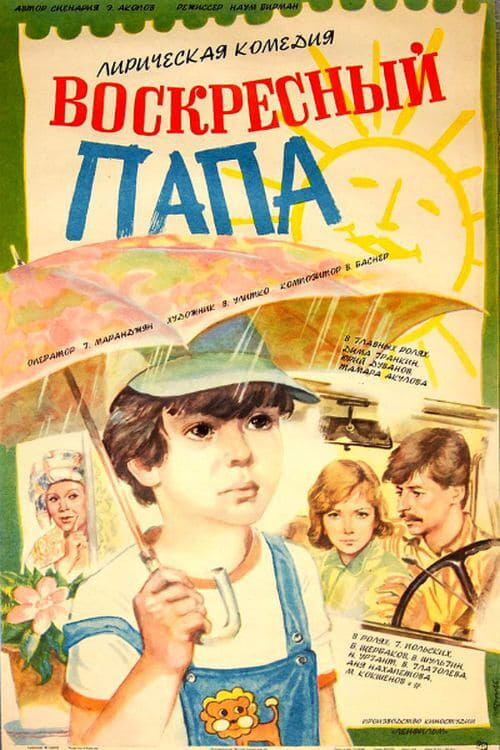
Weekend Dad
1985
No user ratings available yet
Representation score: 6.8 out of 10

Representation Score
Good
2009
Director
Ivan Calbérac
Runtime
98 minutes
Average Rating
No ratings yetNew Showbiz Analysis
The film effectively deconstructs the nuclear family by subverting traditional gendered economic roles. By showcasing a powerful mother and a socially driven, financially unstable father, it moves away from conventional domestic clichés. However, the narrative's diversity is limited due to a lack of information about racial and LGBTQ+ representation. The focus remains on the internal dynamics of a split-custody household and its critique of capitalist institutions. Overall, the film successfully challenges social norms regarding parental authority and gender roles, despite a narrow demographic scope.
Category Breakdown
The film centers on the strained relationships between biological parents and their children but does not explicitly confirm any characters' LGBTQ+ identities or non-cisgender statuses.
It subverts traditional gender roles by featuring a powerful businesswoman mother and an economically struggling father. This reversal challenges typical expectations of masculine leadership and feminine domesticity.
The movie does not provide any information about the racial or ethnic makeup of the cast, leaving the ethnic diversity of the setting unverified.
The film critiques capitalist systems through the father's rejection of banking and the brother's environmental activism. It also deconstructs traditional Western family ideals and institutional stability.
There is no explicit mention of physical disabilities, neurodivergence, or mental health conditions. Characters exhibit emotional volatility, but no specific disabilities are identified.
Present on Screen
Limited or Absent
Official Synopsis
A 12 year old girl and her 8 year old brother live one week with their mother and the next week with their father. The girl blamers her mother, a super businesswoman for the divorce and turns all her anger on her. She prefers the weeks with her father who is flat broke after leaving his bank job to give people free hugs on street corners. Her brother channels his sense of injustice into the battle to save the planet. As the school year progresses and her parents struggle to mend their lives and as the girl approaches her 13th birthday, she learns to see the world in a new way.
1985

1980
2011

2014

2017

2009

1997

2012
No reviews yet. Be the first to share your thoughts on this movie!
Use the rating form above to leave a star rating and optional review.