
My Sons
1991
No user ratings available yet
Diversity score: 4.5 out of 10
2017
Director
Sigrid Andrea P. Bernardo
Runtime
84 minutes
Average Rating
No ratings yetSynopsis
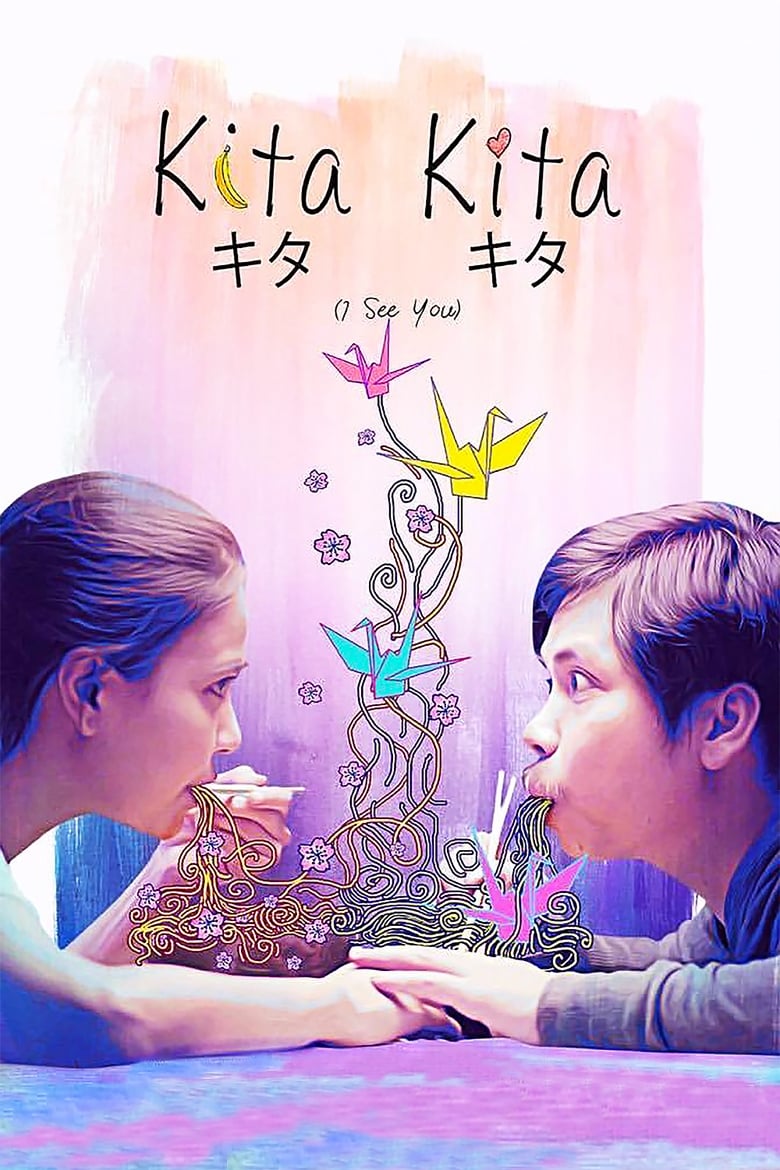
Lea is a tour guide in Japan who suffered from temporary blindness and if not cured in a few weeks could be permanent. Tonyo who lives right across from Lea is persistent and determined to be her friend. They then become closer and Lea has seen the true character of Tonyo.
Overall Score
Fair
Category Breakdown
LGBTQ+ Representation
The film follows a strictly heteronormative romantic arc. It does not feature non-cisnormative gender identities or narratives that challenge traditional structures.
Gender Representation
The story utilizes traditional romantic tropes, specifically a pursuer and pursued dynamic. While the female lead shows emotional agency, the plot relies on male persistence for her healing.
Racial & Ethnic Diversity
The film centers a Southeast Asian narrative within a Japanese setting. This disrupts Western-centric cinematic gazes, though the cast remains largely homogeneous within its ethnic context.
Religious & Cultural Diversity
The narrative adopts a secular, humanistic approach to fate and companionship. It avoids religious morality but does not engage in systemic or anti-Western critiques.
Disability Representation
The plot centers on a protagonist facing temporary blindness. It explores the psychological implications of sensory loss rather than treating the condition as a mere plot device.
Strengths
Areas for Improvement
AI Analysis
Kita Kita is a sincere exploration of human vulnerability that succeeds through its empathetic portrayal of disability. By placing a Filipino narrative in Japan, the film offers a refreshing departure from Western-centric storytelling patterns. However, the film remains tethered to conventional romantic comedy structures. It prioritizes individual emotional arcs over the deconstruction of social hierarchies or intersectional identity politics. Ultimately, while the film provides a nuanced look at sensory loss and cross-cultural settings, its adherence to traditional gender dynamics and heteronormative frameworks limits its progressive impact.
1991
2009

2010
2008

2017
2011
2017
2017

2007

2017

2013

2017
No reviews yet. Be the first to share your thoughts on this movie!
Use the rating form above to leave a star rating and optional review.