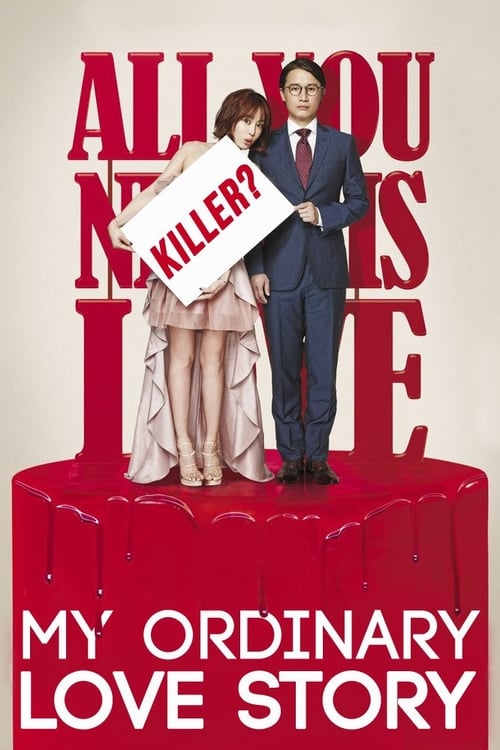
My Ordinary Love Story
2014
No user ratings available yet
Representation score: 4.8 out of 10

Representation Score
Fair
2009
Director
Hwang Soo-ah
Runtime
102 minutes
Average Rating
No ratings yetNew Showbiz Analysis
The film centers on the social alienation of two misfits who connect through shared vulnerability. It disrupts traditional romantic clichés by replacing conventional courtship with a moment of crisis. While the narrative grants the female lead significant influence through her actions and offers an authentic South Korean cultural perspective, it remains confined to a specific interpersonal dynamic. It avoids broader systemic critiques, focusing instead on the psychological complexities of its protagonists. Ultimately, the film explores the edges of social conformity without representing LGBTQ+ identities or diverse racial backgrounds.
Category Breakdown
The film does not include any LGBTQ+ characters or themes. The narrative focuses solely on the relationship between the two main characters without addressing non-straight relationships.
The female lead initiates the plot through a bold action, challenging passive female stereotypes. However, the film does not provide a broader critique of gender roles.
The film features a culturally homogeneous South Korean cast. It offers an authentic portrayal of a specific cultural setting without incorporating diverse racial backgrounds.
The story challenges traditional family ideals by focusing on individuals who don't fit in. It emphasizes unconventional, individualistic connections over societal norms.
Mental health issues are addressed through a suicide attempt, but it is unclear if this contributes to a deeper understanding of the character. The depiction may serve more as a plot device than a nuanced character study.
Present on Screen
Limited or Absent
Official Synopsis
Two misfits form an unlikely relationship after a woman breaks into a man's house only to discover him in the midst of a suicide attempt.
2014

2004
2001
2002

2007

2014

2010
2019
No reviews yet. Be the first to share your thoughts on this movie!
Use the rating form above to leave a star rating and optional review.