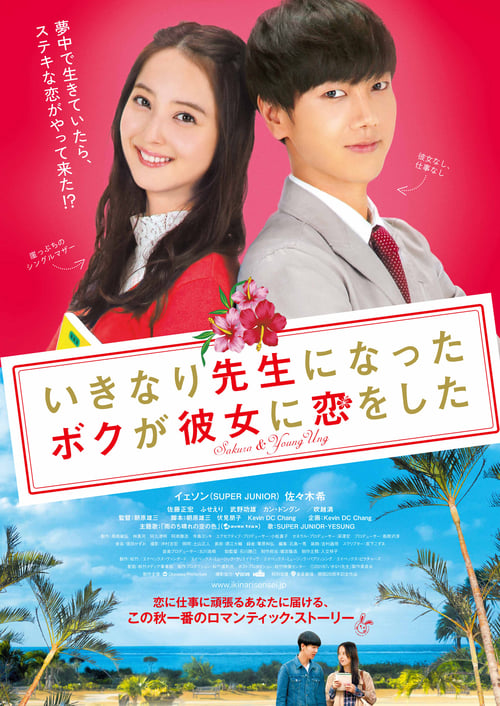
My Korean Teacher
2016
No user ratings available yet
Representation score: 4.7 out of 10

Representation Score
Limited
2007
Director
Kim Ho-jung, Ji Kil-wong
Runtime
125 minutes
Average Rating
No ratings yetNew Showbiz Analysis
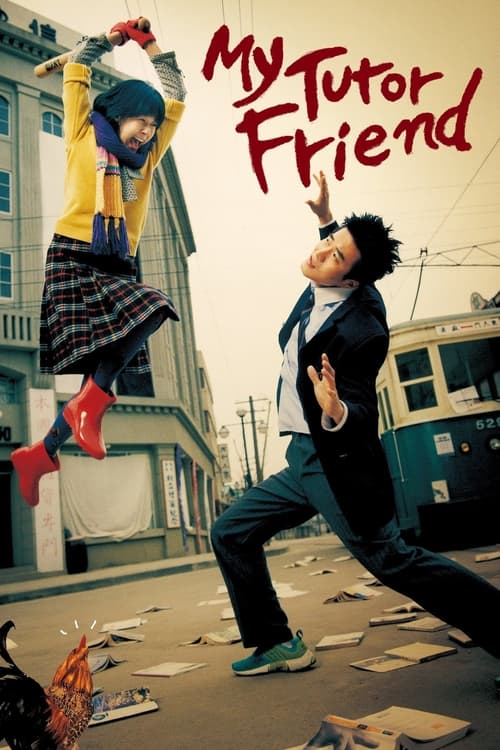
My Tutor Friend 2 functions as a typical romantic comedy, focusing on genre conventions rather than challenging established narratives. While it introduces international elements through Junko, the story remains centered on everyday social interactions without addressing complex multi-layered issues. The film lacks representation of LGBTQ+ identities and does not explore disability or neurodivergent experiences, adhering to traditional gender roles and power dynamics.
Category Breakdown
The film follows a traditional romantic storyline between the two main characters. There are no representations of LGBTQ+ identities or same-sex relationships.
The story revolves around a close relationship between a female student and a male tutor, which often emphasizes traditional gender roles and power dynamics found in romantic comedies.
The inclusion of Junko, a Japanese exchange student in Korea, adds a layer of ethnic diversity through her role as an international student.
The narrative focuses on personal relationships and domestic humor. It does not delve into critiques of religious structures or broader societal institutions.
The film does not include any characters dealing with physical disabilities or neurodivergent conditions.
Present on Screen
Limited or Absent
Official Synopsis
Junko, a Japanese exchange student, goes to Korea where she unexpectedly finds herself forced to share a room with Jong-man, a disagreeable young man, who has been forced to tutor her.
2016
2002
2003
2012
2003

2008

2017
2009
No reviews yet. Be the first to share your thoughts on this movie!
Use the rating form above to leave a star rating and optional review.