My Love Story!!
2015
No user ratings available yet
Representation score: 4.7 out of 10
Representation Score
Fair
1991
Director
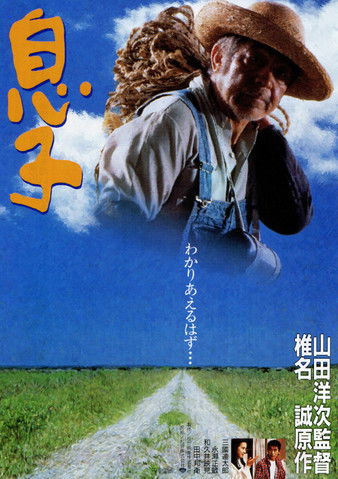
Yoji Yamada
Runtime
120 minutes
Average Rating
No ratings yetNew Showbiz Analysis
Yoji Yamada’s film is a compassionate character study that excels in its portrayal of a deaf-mute woman. By making her a key figure in the romantic plot, the film avoids shallow clichés and gives her true ability to act. The film also effectively uses socioeconomic contrasts to explore identity. The differences between the working-class factory girl and her college-educated brother provide a nuanced look at class-based identity within a homogeneous Japanese context. However, the film remains tied to traditional social structures. It lacks LGBTQ+ representation and centers on a conventional heterosexual romance, limiting its engagement with diverse identity issues.
Category Breakdown
The film does not include any LGBTQ+ characters or stories. The main romantic relationship is between the protagonist and a factory worker, both of whom are heterosexual.
The film features a strong female lead whose identity is shaped by her work and communication needs. She transcends typical domestic roles within traditional family structures.
Set in Tokyo, the film portrays a culturally uniform Japanese society. It highlights socioeconomic differences by contrasting the lives of workers and college-educated individuals.
The story examines the tension between traditional parental authority and personal autonomy. It looks at the conflict between established social hierarchies and individual fulfillment within the Japanese family.
The narrative gives a deaf-mute woman a significant role in driving the story and integrates her disability into the emotional storyline without trivializing it.
Present on Screen
Limited or Absent
Official Synopsis
Tetsuo is a young man living in Tokyo, who falls in love with a deaf-mute factory girl. He has always felt jealous of his college-educated brother, but ultimately wins both the girl and his father's acceptance and support in a touching and refreshing way.
2015

1991
2017
1958
2014
1999

1988
1982
No reviews yet. Be the first to share your thoughts on this movie!
Use the rating form above to leave a star rating and optional review.