Benda Bilili!
2010
No user ratings available yet
Representation score: 8.5 out of 10
Representation Score
Excellent
2015
Director
Theo Anthony
Runtime
13 minutes
Average Rating
No ratings yetNew Showbiz Analysis
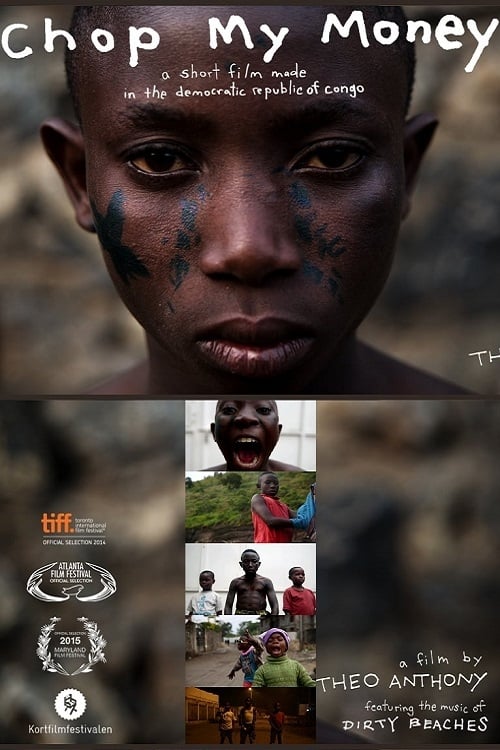
Theo Anthony’s documentary succeeds by centering Congolese subjects, effectively dismantling the Eurocentric gaze often found in Western media. By focusing on the internal realities of street children, the film gives real power to those living on the margins of society. While the film excels in racial and cultural authenticity, it lacks depth in identity-based representation. There is no clear evidence regarding LGBTQ+ narratives or specific explorations of gendered power dynamics within the group. Ultimately, the work is a powerful study of systemic struggle. It trades traditional identity politics for a raw, socio-economic examination of survival in a fractured environment.
Category Breakdown
The film does not include any explicit LGBTQ+ characters or narratives. The story focuses on the socio-economic struggles of street children in the Eastern Congo.
The documentary maintains a neutral stance regarding gender. There is no specific evidence of characters challenging traditional gender roles or exploring gendered power imbalances.
The narrative achieves high ability to act by centering entirely on Congolese subjects. This approach disrupts the conventional outsider gaze by prioritizing internal realities over Western perspectives.
The film critiques systemic failures and state structures through the lens of underrepresented life. It prioritizes the lived truths of the Eastern Congo over idealized Western social orders.
Specific details regarding neurodivergence or physical disability are not explicitly provided. However, the environment suggests a narrative of physical resilience amidst significant environmental hazards.
Present on Screen
Limited or Absent
Official Synopsis
A day in the life of three street kids in the Eastern Congo. Featuring music by Dirty Beaches.
2010
2004
1975
2014
2014
2008
2001
2014
No reviews yet. Be the first to share your thoughts on this movie!
Use the rating form above to leave a star rating and optional review.