Dragon Head
2003
No user ratings available yet
Representation score: 5.7 out of 10
Representation Score
Fair
1987
Director
Nobuhiko Obayashi
Runtime
104 minutes
Average Rating
No ratings yetNew Showbiz Analysis
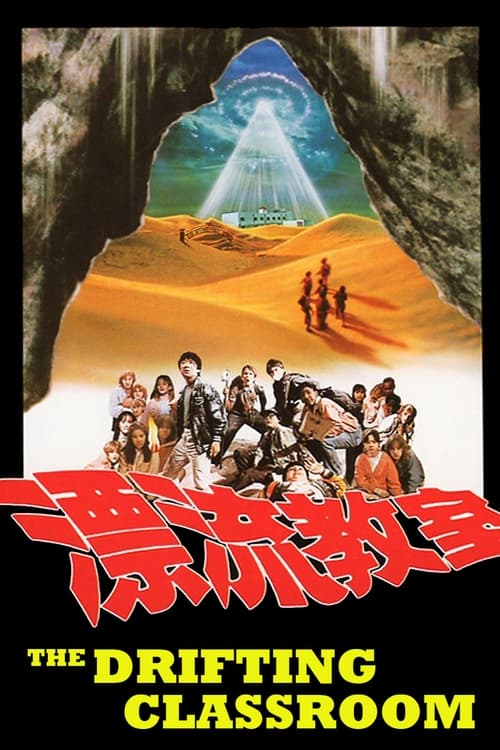
Nobuhiko Obayashi’s surreal direction creates a postmodern world that emphasizes psychological abstraction over conventional heroism. The film serves as a culturally specific survival drama, focusing on the erosion of institutional reliability rather than diverse identities. Though the film does not explicitly represent race, gender, or orientation, it provides a progressive critique of authority by stripping away the safety of the school system, forcing characters into moral ambiguity. Ultimately, the work disrupts traditional narrative structures, emphasizing the study of systemic instability over diverse character demographics.
Category Breakdown
The film centers on the survival of a middle school ensemble and does not include any non-straight or non-cisgender identities or same-sex relationships.
Both male and female students have important roles in the survival scenario, but the film does not challenge traditional gender roles or power dynamics.
The cast is ethnically uniform, reflecting the Japanese setting. The story does not incorporate multicultural elements or diverse ethnic backgrounds.
The story highlights the breakdown of traditional institutions and authority, presenting a morally ambiguous landscape where situational ethics prevail.
The narrative examines the vulnerability of the human psyche and psychological trauma, treating these conditions as environmental symptoms rather than personal identities.
Present on Screen
Limited or Absent
Official Synopsis
An entire Japanese international grade school—and all within—are mysteriously transported to a foreboding desert wasteland. As the story unfolds, the diminishing student body weathers this apocalyptic crisis while searching for clues about their surroundings, and dealing with psychological breakdown and dangerous exterior forces.
2003

1963
1987
1967

1977

1955

1995

1962
No reviews yet. Be the first to share your thoughts on this movie!
Use the rating form above to leave a star rating and optional review.