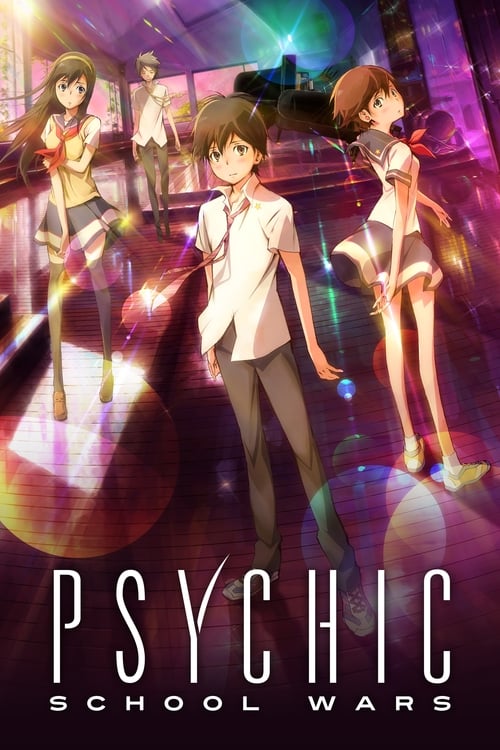
Psychic School Wars
2012
No user ratings available yet
Representation score: 3.9 out of 10
Representation Score
Good
1981
Director
Nobuhiko Obayashi
Runtime
90 minutes
Average Rating
No ratings yetNew Showbiz Analysis
Nobuhiko Obayashi’s film stands out by centering on a Japanese high school setting and a female protagonist with significant psychic power. The use of psychic abilities provides a unique framework for exploring ability to act and resisting oppressive, authoritarian structures. However, the film lacks explicit LGBTQ+ representation and specific details about racial or disability-related nuances, which limits its overall impact. Despite this, the film successfully disrupts traditional gender hierarchies through its supernatural premise.
Category Breakdown
The film focuses on a psychic conflict between the protagonist and a new student but does not explicitly address LGBTQ themes or non-straight identities.
Mitamura Yuka is a strong female protagonist who plays a significant role in driving the story. The film challenges traditional male-centric hero clichés by focusing on female-led psychic forces.
This Japanese production offers a non-Western perspective, but there are no specific details about the ethnic makeup of the supporting cast.
The film uses 'psychic Nazi student enforcers' to explore themes of authoritarianism, suggesting a critique of systemic control through fantastical imagery.
Psychic powers may serve as a metaphor for neurodivergence or invisible abilities, but it is unclear if these elements are explored in depth or merely used as plot devices.
Present on Screen
Limited or Absent
Official Synopsis
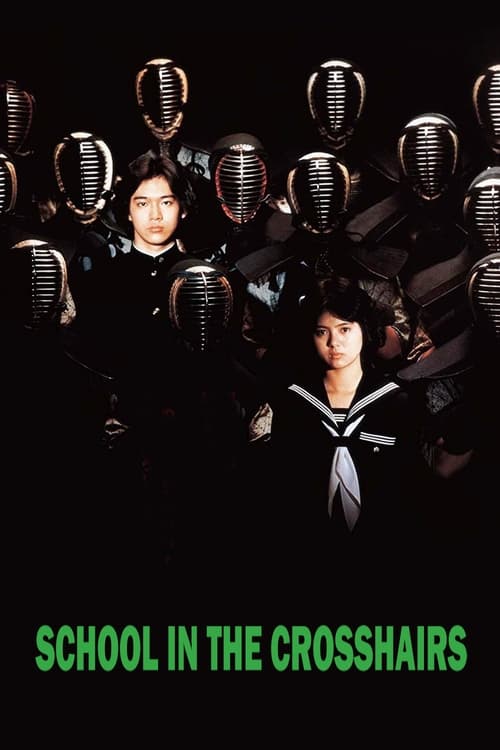
Mitamura Yuka is a normal, shy high school student. Except for the fact that she has psychic powers. When a new student with similar powers begins to show her skills, creating a force of psychic Nazi student enforcers, Yuka and her friends vow to stop her. But behind it all is a mysterious force that will put Yuka's powers to the ultimate test!
2012
1978

2017

1995

2015
1985

2006

1977
No reviews yet. Be the first to share your thoughts on this movie!
Use the rating form above to leave a star rating and optional review.