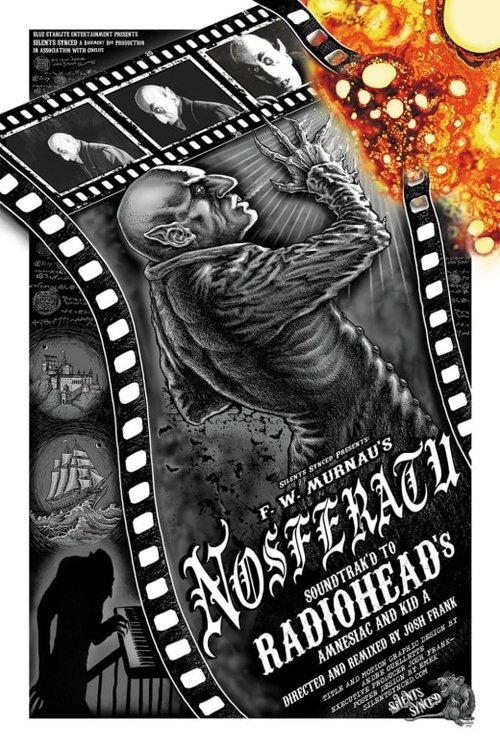
Radiohead X Nosferatu: A Symphony of Horror
2025
No user ratings available yet
Representation score: 4.5 out of 10

Representation Score
Fair
2000
TV-PGDirector
Victor Fleming
Runtime
102 minutes
Average Rating
No ratings yetNew Showbiz Analysis
This transformative edit serves as a narrative disruption rather than a new character study. By overlaying Pink Floyd’s existential themes onto the 1939 classic, the work removes the comfort of instructional morality. It shifts the viewer from passive consumption of traditional values to a skeptical, postmodern engagement with the text. While it fails to introduce new multi-layered identities or diverse casting, it succeeds in deconstructing the 'happily ever after' cliché. The value lies in how the audio recontextualizes the visual material, transforming a structured fairy tale into a fragmented psychological exploration.
Category Breakdown
The original footage doesn't explicitly show LGBTQ+ identities. However, Pink Floyd's lyrics about alienation and madness allow for modern interpretations that hint at queer identities, even though they aren't directly stated.
The film uses traditional Golden Age archetypes and domestic roles. While its darker tone disrupts the usual portrayal of femininity, it doesn't actively challenge patriarchal structures or give women more control over their stories.
The visual elements remain consistent with the homogeneous, Anglo-centric casting typical of 1930s Hollywood. The synchronization doesn't change the visual casting, providing minimal depth regarding different backgrounds.
The project breaks down traditional Western morality by replacing hopeful music with themes of greed and mortality. This disrupts the 'good vs. evil' dichotomy, presenting the original world as surreal and unstable.
Characters with physical eccentricities are portrayed through fantasy clichés rather than detailed representations of disability. The audio overlay adds psychological complexity but doesn't give characters with disabilities more control over their narratives.
Present on Screen
Limited or Absent
Official Synopsis
The movie The Wizard of Oz (1939) with the soundtrack replaced by Pink Floyd's album The Dark Side of the Moon (1973); several uncanny moments of synchronisation and a generally darker tone than the original film. Aired on TCM.
2025
1968
2010
1974
1970
1982
1966
1940
No reviews yet. Be the first to share your thoughts on this movie!
Use the rating form above to leave a star rating and optional review.