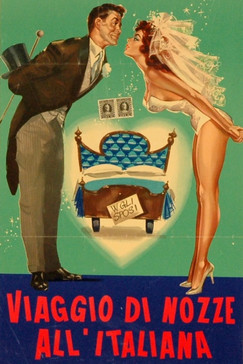
Viaggio di nozze all'italiana
1966
No user ratings available yet
Representation score: 1.4 out of 10
Representation Score
Minimal
1960
Director
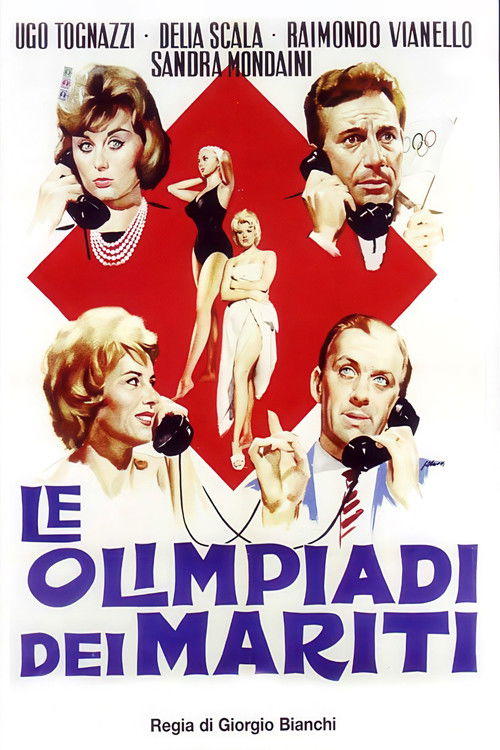
Giorgio Bianchi
Runtime
87 minutes
Average Rating
No ratings yetNew Showbiz Analysis
Le Olimpiadi dei mariti functions as a product of its time, adhering to the conventional comedic structures of 1960s Italy. The film lacks intentionality in disrupting social expectations, instead operating within established demographic and cultural parameters. The narrative structure reinforces traditionalist cinematic conventions. It focuses on domesticity and marital dynamics through a lens that maintains mid-century social hierarchies rather than challenging them. Overall, the film presents a homogeneous view of society, offering little to no representation for underrepresented identities, whether through race, gender subversion, or sexual orientation.
Category Breakdown
The film does not include any representation of LGBTQ+ identities or same-sex relationships. It adheres to the traditional heterosexual norms typical of 1960s Italian comedies.
The story likely emphasizes traditional gender roles where men dominate the plot, while women are confined to domestic or reactive roles.
The production reflects the demographic uniformity of its era and origin. There is no indication of diverse racial representation or casting to challenge historical norms.
The comedy operates within traditional Western social values and mid-20th-century norms. It relies on the stability of conventional family structures rather than subversive narratives.
There is no indication that disability or neurodivergence plays a central role in the narrative. No specific character arcs involving physical or mental disabilities are present.
Present on Screen
Limited or Absent
1966
1995
1960
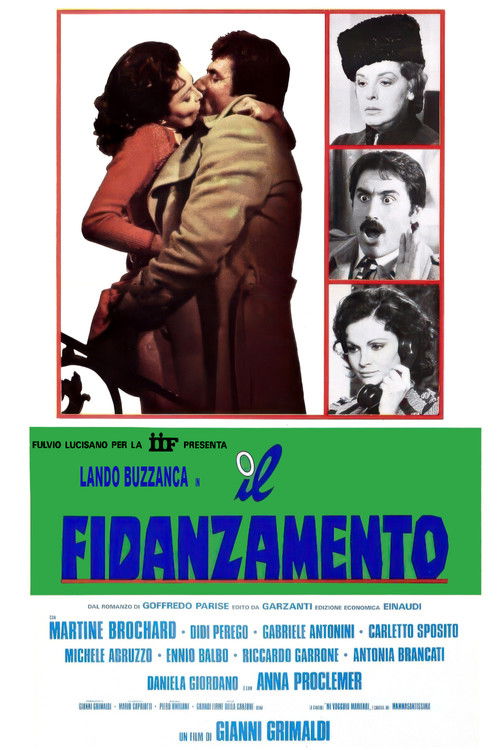
1975
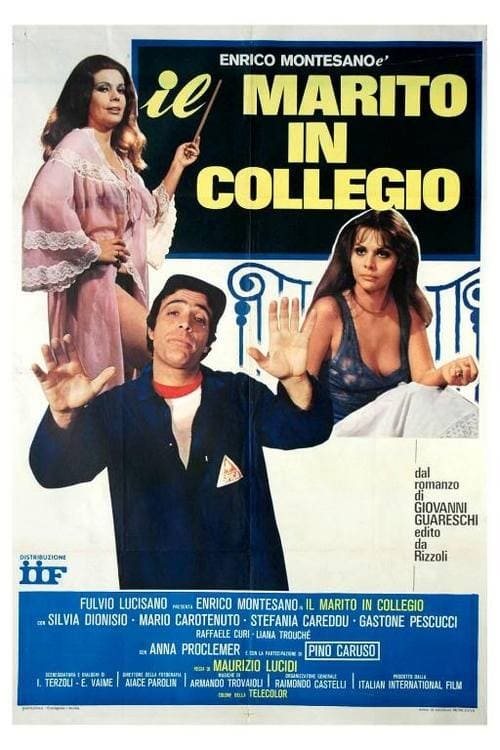
1977
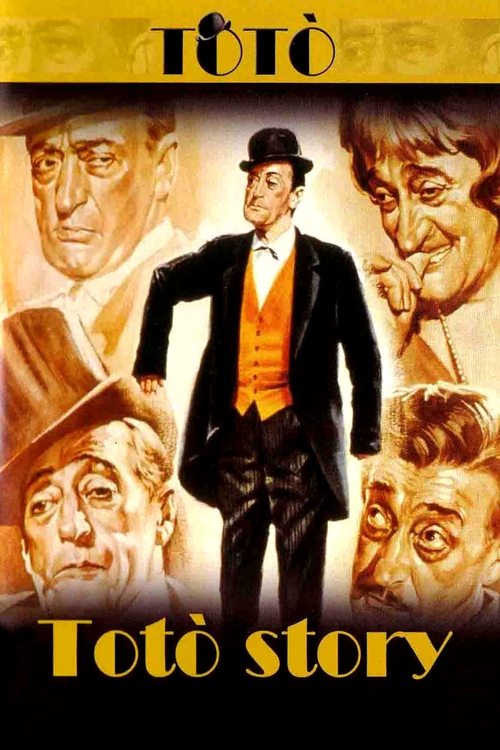
1968
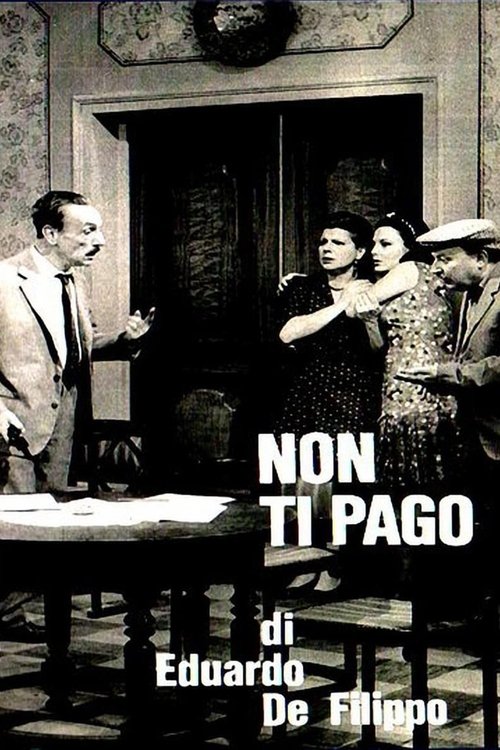
1964
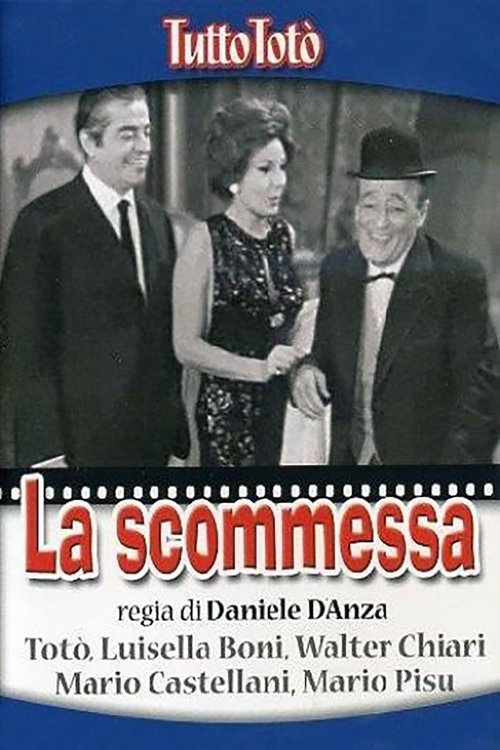
1967
No reviews yet. Be the first to share your thoughts on this movie!
Use the rating form above to leave a star rating and optional review.