Recycled Life
2006
No user ratings available yet
Representation score: 6.5 out of 10
Representation Score
Good
2004
Director
Laila Pakalnina
Runtime
36 minutes
Average Rating
No ratings yetNew Showbiz Analysis
Laila Pakalniņa’s documentary serves as a poetic exploration of the relationship between humans and their environment, avoiding traditional narrative structures. It challenges conventional views of progress and order by finding value in waste. However, the film does not explicitly represent diverse identities such as race, gender, or LGBTQ+ status. Its focus remains on the interaction between humans and nature, leaving other identity categories largely unexplored.
Category Breakdown
The documentary does not include explicit LGBTQ+ characters or stories. While it avoids harmful stereotypes, it does not give much attention to the experiences of individuals who identify outside of traditional gender and sexual norms.
The film focuses on a natural landscape rather than human social structures, which helps to challenge traditional patriarchal narratives. However, it does not provide specific examples of how gender roles are being questioned or subverted.
The film is set in a specific Latvian context and does not feature a diverse cast of characters from different ethnic backgrounds. There is no indication of intentional casting that includes actors from various racial backgrounds.
The documentary critiques the idea of order and efficiency in capitalist systems by presenting a dumpsite as a living ecosystem. This challenges the traditional Western values of cleanliness and organization.
The film does not specifically address the portrayal of individuals with physical or cognitive differences. While it offers a sensory experience, there are no confirmed depictions of characters with disabilities.
Present on Screen
Limited or Absent
Official Synopsis
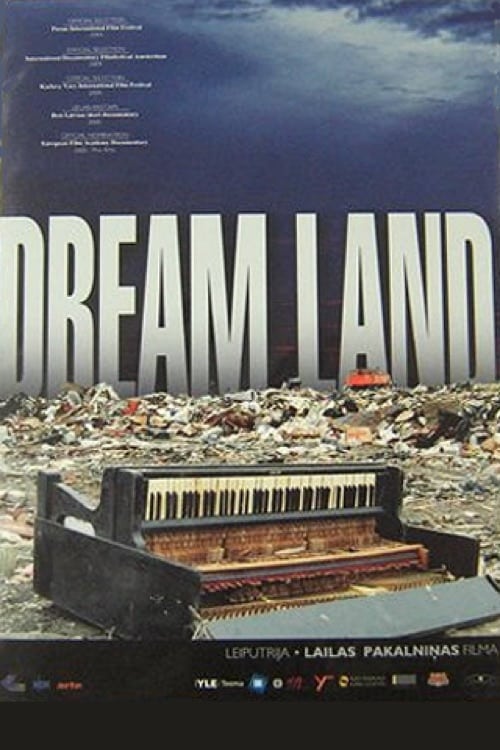
There are places that we don’t want to know anything about, places that we would rather pretend don’t exist at all. One such place is a dumpsite. From the humans’ point of view, it is a ghastly place, a stinking desert of trash. But it’s a desert that is teaming with life.
2006
1978
2018
2000
2012
2000
2009
2010
No reviews yet. Be the first to share your thoughts on this movie!
Use the rating form above to leave a star rating and optional review.