
Siberia, Monamour
2011
No user ratings available yet
Representation score: 2.5 out of 10
Representation Score
Minimal
1951
12Director
René Chanas
Runtime
95 minutes
Average Rating
No ratings yetNew Showbiz Analysis
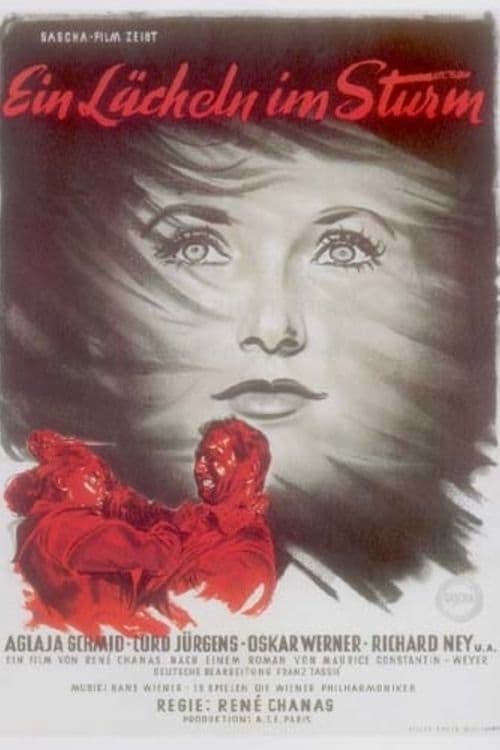
Ein Lächeln im Sturm is a product of its 1951 era, adhering to the conventional dramatic structures of mid-century European cinema. The narrative is built upon traditional hierarchies and romantic competition, offering little in the way of social subversion. The film utilizes a colonial setting as a backdrop for Western interpersonal drama. By focusing on a homogeneous cast of white characters, it misses the opportunity to explore the complex ethnic landscape of the Canadian north. Ultimately, the film functions as a standard exploration of human endurance. It prioritizes survivalist clichés and traditional gender roles over nuanced perspectives or the deconstruction of established social norms.
Category Breakdown
The film centers on a traditional romantic triangle involving a husband, wife, and two male suitors. It does not include any LGBTQ+ identities or narratives that challenge the assumption that everyone is straight or cisgender.
Katrina Mercier serves as the emotional center, but her role remains largely reactive. The plot is driven by male characters who dictate the conflict, movement, and ultimate sacrifices.
The story focuses on a homogeneous group of white characters in a colonial frontier. It lacks ethnic plurality or the inclusion of indigenous perspectives in the Canadian north.
The narrative follows mid-century Western clichés of survival and heroism. It relies on conventional moral frameworks rather than exploring diverse cultural or anti-Western perspectives.
There is no evidence regarding the portrayal of physical or neurodivergent disabilities. The plot focuses on physical trauma and survival against environmental factors.
Present on Screen
Limited or Absent
Official Synopsis
Katrina Mercier and her husband arrive in Canada's far north to run a trading post. Another trading post owner, Langrand, and police sergeant Spenlow, the only two civilized people in the area, fall in love with Katrina. They follow the husband and wife as they head further north for a chance that, until now, the husband has been reluctant to take. One day, Mercier catches his partner, an adventurer, trying to take advantage of Katrina; he kills him but is wounded. The couple and the two other whites attempt to return south, but Mercier dies of his wound along the way. Caught in a storm, the three survivors get lost; the dogs abandon them. Spenlow, realizing that Katrina loves Langrand, sacrifices himself to leave them his supplies; he is devoured by wolves. Langrand and Katrina are saved in extremis by a hunter.
2011

1971
1939
1960
1953

1964
1911
1981
No reviews yet. Be the first to share your thoughts on this movie!
Use the rating form above to leave a star rating and optional review.