
The Repeating Student Winked at Dean
1980
No user ratings available yet
Representation score: 1.9 out of 10
Representation Score
Limited
1981
Director
Josef Pinkava
Runtime
85 minutes
Average Rating
No ratings yetNew Showbiz Analysis
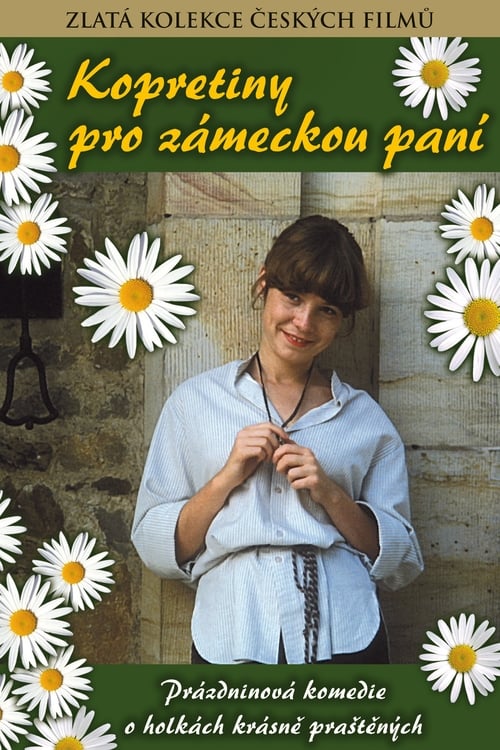
Daisies for the Lady of the Manor is a localized romantic comedy that adheres to the demographic and social norms of 1981 Czechoslovakia. The film's strength lies in its female-led narrative, where the protagonist uses calculated risks to navigate her social world. However, the film lacks complexity in representing multiple aspects of identity. It operates within a traditional framework that assumes everyone is straight or cisgender, and it lacks racial or ethnic diversity, reflecting the homogeneous environment of its production era. The story focuses on individual desires rather than broader systemic issues.
Category Breakdown
The story centers on a heterosexual romance between Kateřina and Petr. There are no LGBTQ+ identities or queer narratives present in the film.
Kateřina serves as an active protagonist who drives the plot through her own decisions. She is not a passive character, even though she seeks male attention.
The film reflects a homogeneous demographic typical of its European setting. There is no evidence of a multi-ethnic cast or diverse racial identities.
The narrative explores youthful rebellion against traditional social structures. It focuses on individualistic motivations rather than strict adherence to institutional authority.
The character descriptions provide no mention of visible or invisible disabilities. No representation of disability is depicted in the available material.
Present on Screen
Limited or Absent
Official Synopsis
Fifteen-year-old Kateřina will once again spend the holidays at the Castle Krabonoš, where her parents are both wardens. She finds it dull because she's got to sit at the castle's ticket office and sell tickets. That is, until the arrival of the new tour guide, Petr, a young history student. She falls in love at first sight. But for Petr she's just a young crazy girl. Katka tries to get Petr's attention in various ways, but all in vain. She makes a last ditch effort by pretending to steal some rare castle steins from the castle's collection. It's only after some detectives arrive that Katka realizes that she may have overdone it, but she finally manages to get Petr to notice her.
1980

1965
1995

1967
1935
1980
2001
1957
No reviews yet. Be the first to share your thoughts on this movie!
Use the rating form above to leave a star rating and optional review.