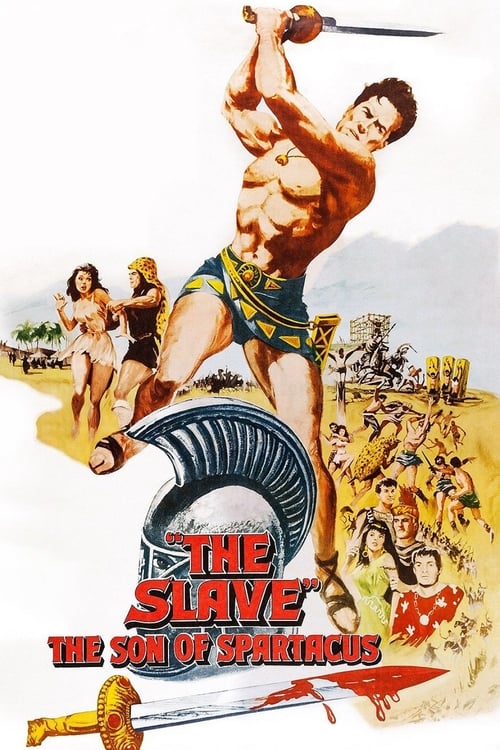
The Slave
1962
No user ratings available yet
Representation score: 3.7 out of 10
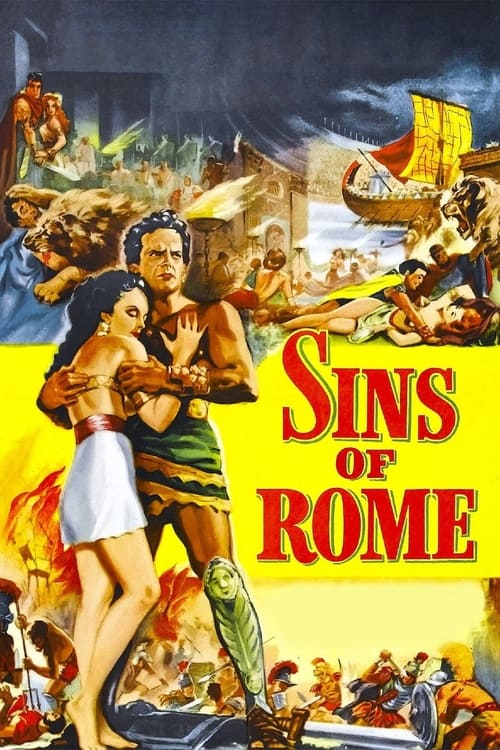
Representation Score
Limited
1953
NRDirector
Riccardo Freda
Runtime
75 minutes
Average Rating
No ratings yetNew Showbiz Analysis
Sins of Rome is a historical adventure that challenges imperial authority. By focusing on a Thracian slave as the main character, the film positions an outsider as the primary agent of change against a dominant power structure. However, the film adheres to 1950s genre conventions. It lacks contemporary markers of identity-based representation, particularly regarding LGBTQ+ identities or disability narratives. The narrative structure revolves around class struggle and critiques of institutional hierarchies, rather than modern social commentary.
Category Breakdown
The film does not include any characters with LGBTQ+ identities. The story focuses solely on the struggles of the slave class.
The story emphasizes masculine-coded conflicts and gladiatorial struggles. Male protagonists play a central role, with no evidence of challenging traditional gender roles.
The Thracian identity of the protagonist introduces a non-Roman ethnic perspective. The plot highlights a revolt led by those outside the dominant Roman society.
The film portrays the Roman Empire as an oppressive force. It focuses on the struggle of the disenfranchised against a corrupt, established state.
There are no characters with physical or neurodivergent disabilities in the film. The narrative does not address disability representation.
Present on Screen
Limited or Absent
Official Synopsis
74 B.C. Somewhere in the Roman Empire, Spartacus, a young officer, is condemned to be a slave because he hit a superior. Brought back to Roma in a gladiators' school, he escapes and stirs up all the slaves in a revolt against the Roman Empire.
1962
1925
1961
1939

1960
1987

1964
1914
No reviews yet. Be the first to share your thoughts on this movie!
Use the rating form above to leave a star rating and optional review.