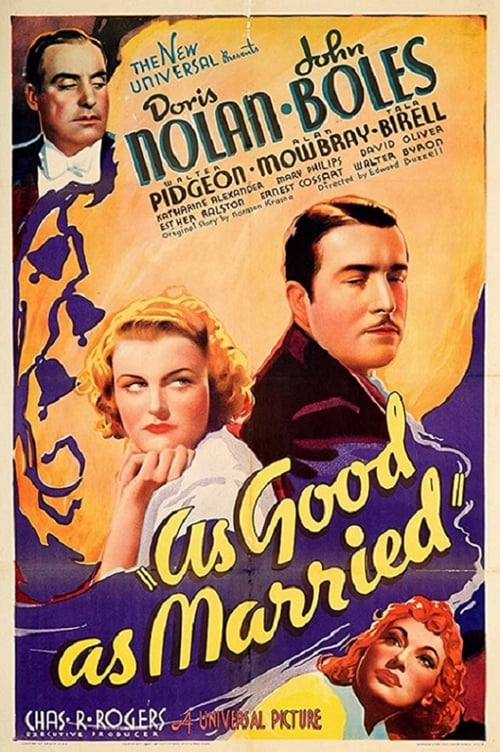
As Good as Married
1937
No user ratings available yet
Representation score: 0.4 out of 10
Representation Score
Minimal
1939
NRDirector
Elliott Nugent
Runtime
82 minutes
Average Rating
No ratings yetNew Showbiz Analysis
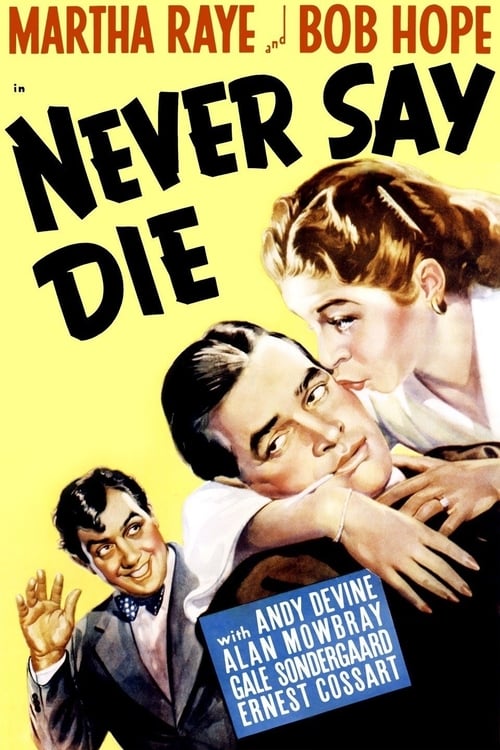
Never Say Die is a product of the traditional studio era, prioritizing established social structures over the exploration of identity. The narrative relies on conventional romantic clichés and adheres to the demographic norms of 1939. The film reinforces existing social and domestic hierarchies rather than disrupting them. It functions as a standard domestic comedy centered on marriage and class-based maneuvering. While some female characters drive the plot, their autonomy is limited by patriarchal expectations. The work lacks intentionality regarding diverse representation or the subversion of systemic power dynamics.
Category Breakdown
The film strictly follows the assumption that everyone is straight or cisgender. There is no evidence of non-traditional gender identities or same-sex relationships in the plot.
Female characters drive specific plot motivations, yet their roles remain tied to marital status and patriarchal approval. The comedy does not challenge traditional masculine leadership.
The cast and setting reflect the homogeneous demographic norms of 1939. There is no evidence of intentional racial blending or non-Anglo-Saxon characters.
The narrative reinforces traditional Western social institutions like the family unit. It lacks critiques of capitalism or secularism, focusing instead on class-based social maneuvering.
A central plot point involves a character's recovery from a physical illness or accident. However, it is unclear if this provides genuine control over the story or serves as a standard cliché.
Present on Screen
Limited or Absent
Official Synopsis
Bob Hope is being stalked by a predatory widow who is a widow of wealthy husbands many times over. Martha Raye is a Texan heiress who wants to marry her boyfriend Andy Devine, but her father is determined that she marry into royalty. To solve both their problems, Martha Raye and Bob Hope decide to marry, but will they ever find love together?
1937
1938
1940
1942
1946
1937
1941
1940
No reviews yet. Be the first to share your thoughts on this movie!
Use the rating form above to leave a star rating and optional review.