Closed Note
2007
No user ratings available yet
Representation score: 4.2 out of 10
Representation Score
Limited
2007
Director
Akiko Ohku
Runtime
113 minutes
Average Rating
No ratings yetNew Showbiz Analysis
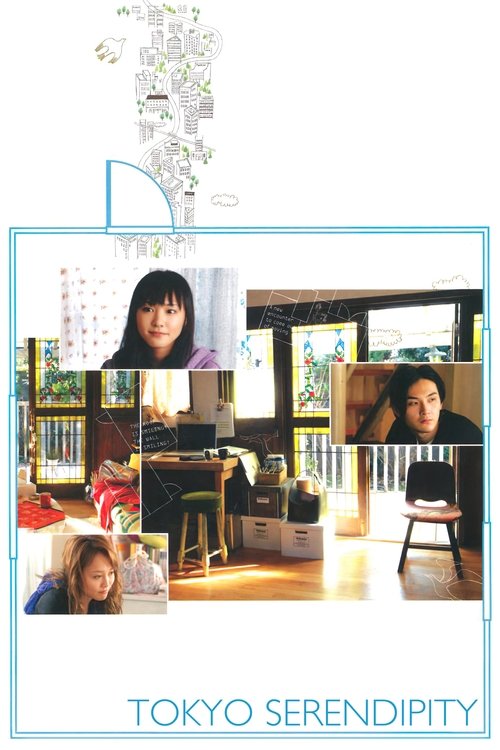
Tokyo Serendipity is a conventional romantic drama focused on individual growth and urban life. While the protagonist exhibits personal empowerment through her journey toward independence, the film lacks multi-layered complexity. The narrative adheres to a standard trajectory for its time, emphasizing a localized Japanese setting and a homogeneous social environment. Ultimately, the film presents a straightforward character study of young adulthood without systemic critique or diverse identities.
Category Breakdown
The film centers on a developing relationship between Yui and Takashi. There are no explicit queer themes or non-straight identities in the narrative.
Yui is portrayed as a protagonist navigating her transition to independent adulthood. Moving to a new apartment symbolizes her pursuit of autonomy and personal empowerment.
The story seems to be a localized Japanese production set in a major city. The cast and setting indicate a homogeneous social environment without significant racial or ethnic diversity.
The narrative explores themes of urban independence and modern city living. It does not prioritize or deconstruct specific religious or cultural traditions.
The film does not include any characters dealing with physical, neurodivergent, or mental health conditions.
Present on Screen
Limited or Absent
Official Synopsis
Yui, a college student, moves in to her first own apartment, where she begins her new independent life in a big city. Soon after, the upstairs neighbor Takashi sparks her interest.
2007

1998

2001

2005
1980

2008

2006
2007
No reviews yet. Be the first to share your thoughts on this movie!
Use the rating form above to leave a star rating and optional review.