
Not My Type
2014
No user ratings available yet
Representation score: 5.7 out of 10
Representation Score
Fair
2014
Director
Stefan Liberski
Runtime
100 minutes
Average Rating
No ratings yetNew Showbiz Analysis
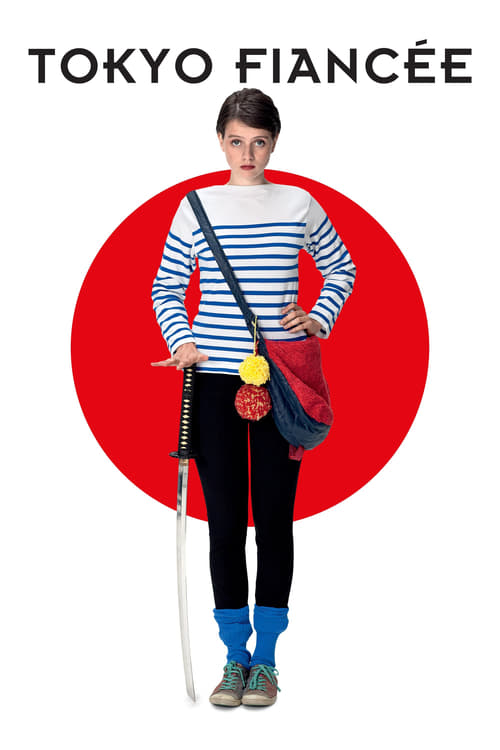
Tokyo Fiancée explores intercultural intimacy through the relationship between a Western woman and an East Asian man, moving beyond including someone from a minority group without giving them real depth to make cultural blending a central theme. However, the film adheres to traditional romantic clichés and a standard heterosexual framework, limiting its broader social scope. Additionally, it lacks representation of characters with disabilities or queer-coded subtext.
Category Breakdown
The story follows a traditional heterosexual romance and does not include any queer-coded subtext or non-assuming gender matches what was assigned at birth identities.
The film focuses on a female protagonist's journey of self-discovery. She maintains a significant role in driving the story despite the use of standard romantic clichés.
The narrative centers on an interracial relationship between a Belgian woman and a Japanese man, which drives the plot forward.
The film explores the blending of cultures through the perspectives of a Francophile and a Japanophile, emphasizing the fluidity of identity in a globalized world.
There is no mention of characters with visible or invisible disabilities in the narrative.
Present on Screen
Limited or Absent
Official Synopsis
A Japanophile young Belgian woman in Tokyo falls into a whirlwind romance with a Francophile Japanese student, in this charming and tender tale of young love and cultural discovery.
2014

2018
2010
2018
2012
2014

2009

1994
No reviews yet. Be the first to share your thoughts on this movie!
Use the rating form above to leave a star rating and optional review.