Tremble All You Want
2017
No user ratings available yet
Representation score: 6.5 out of 10
Representation Score
Good
2020
Director
Akiko Ohku
Runtime
133 minutes
Average Rating
No ratings yetNew Showbiz Analysis
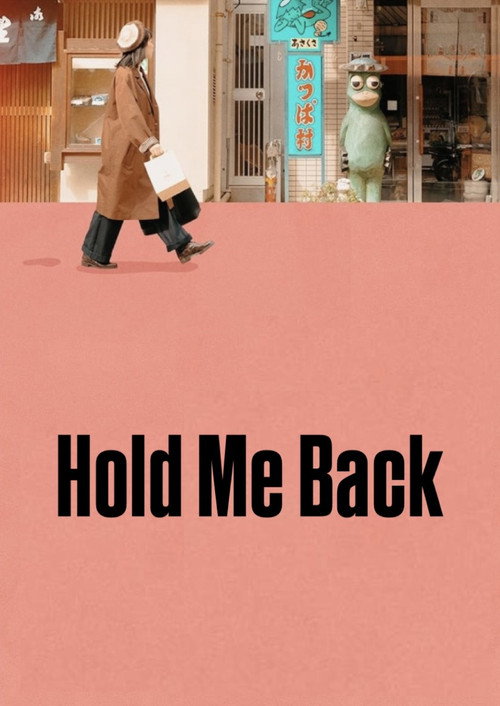
Hold Me Back succeeds in challenging traditional romantic clichés by centering a woman's psychological sovereignty. Mitsuko is not defined by her pursuit of a partner, but by her internal ability to act and self-sufficiency. However, the film remains limited by its cultural homogeneity and lack of explicit LGBTQ+ representation. It stays within a localized, straight-centered framework that misses opportunities for broader diversity. Ultimately, the film offers a nuanced look at mental autonomy. It uses a unique psychological conceit to challenge how society views female fulfillment and traditional relationship milestones.
Category Breakdown
The story focuses on a heterosexual relationship between Mitsuko and Tada-kun. While it doesn't explicitly include LGBTQ+ identities, the film explores unconventional psychological structures that challenge traditional identity.
Mitsuko is a self-actualized woman who finds fulfillment in independence. The narrative emphasizes her emotional autonomy over traditional domestic roles or male validation.
The cast and setting are culturally homogeneous, reflecting a localized Japanese production. It functions as a domestic character study rather than a multicultural narrative.
The film prioritizes individualistic, secular psychological frameworks over religious guidance. It critiques conventional life trajectories and societal pressure to conform to standard relationship models.
Mitsuko’s reliance on an internal persona touches on neurodivergent themes. This internal dialogue is treated as a functional part of her identity rather than a deficit.
Present on Screen
Limited or Absent
Official Synopsis
Mitsuko Kuroda is 31 years old and single. She enjoys her life as a single woman. A big reason why she enjoys her single life is that she has counsellor "A" in her mind, which is her other self. Whenever she does not know what to do, "A" gives her the right answers. She believes her happy and peaceful single life with "A" will continue, but she falls in love with Tada-kun. He is a salesperson and younger than her.
2017

2018

2020

2013
2012
2015
2022
2021
No reviews yet. Be the first to share your thoughts on this movie!
Use the rating form above to leave a star rating and optional review.