
Bloody Seduction
1992
No user ratings available yet
Diversity score: 2.6 out of 10

1975
Director
Antonio Mercero
Runtime
95 minutes
Average Rating
No ratings yetSynopsis
Driving home in the brand new Volvo his wealthy wife gave him for his birthday, Ricardo comes upon a smoking, overturned auto with a man and boy trapped inside but, afraid he'd get bloodstains in his new car, he ignores their cries for help and drives away just before the wreck explodes. Soon after, blood begins pooling in his backseat and Ricardo comes to know how Lady Macbeth felt when he can't get the damned spots out no matter how many times he cleans the car...
Overall Score
Minimal
Category Breakdown
LGBTQ+ Representation
The film lacks any representation of LGBTQ+ characters or non-cisnormative identities. The story focuses exclusively on the protagonist's psychological descent and material obsession.
Gender Representation
While the wife provides the material status of the car, the conflict is driven by the male protagonist's agency. The film subverts masculine stability by portraying the lead as morally bankrupt.
Racial & Ethnic Diversity
The setting appears localized and homogeneous, centered on a specific wealthy social class. There is no indication of a multi-ethnic cast or diverse racial backgrounds.
Religious & Cultural Diversity
The narrative serves as a critique of consumerism and capitalist priorities. It functions more as a moral fable regarding individual guilt than a systemic social critique.
Disability Representation
There is no evidence of characters with visible or invisible disabilities. The narrative does not integrate neurodivergence or chronic illness into its framework.
Strengths
Areas for Improvement
AI Analysis
Blood Stains in a New Car is a psychological horror focused on individual morality and the corruption of the soul. The narrative centers on a single man's descent into madness following a moral failure, which limits the scope for diverse character representation. The film prioritizes a critique of materialism and class-based tension over intersectional identity. While it subverts traditional masculine tropes by presenting a weak, unstable lead, it remains a narrow, character-driven study of guilt. Ultimately, the lack of diverse identities or systemic social frameworks results in a low diversity score, as the story is deeply rooted in a homogeneous, class-specific environment.
1992
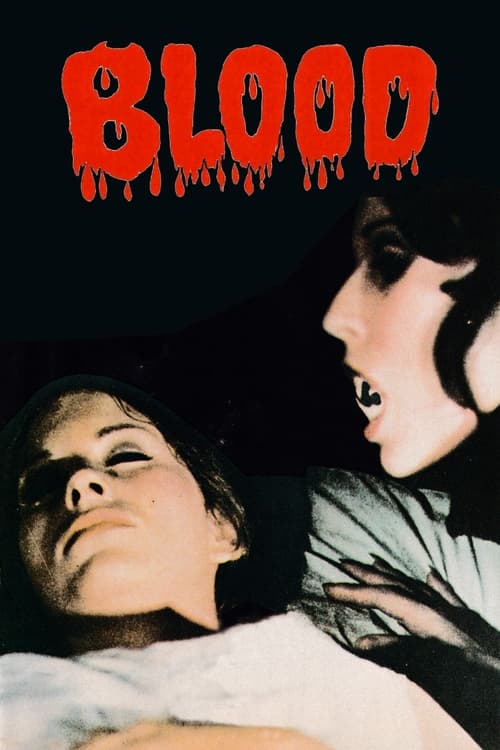
1973
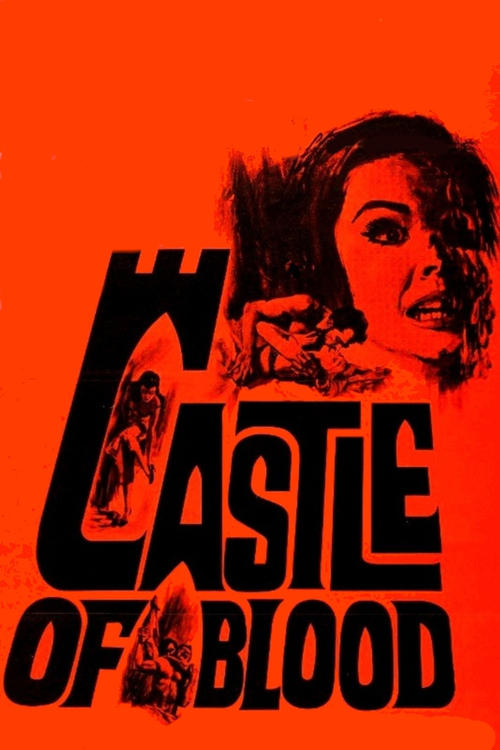
1964
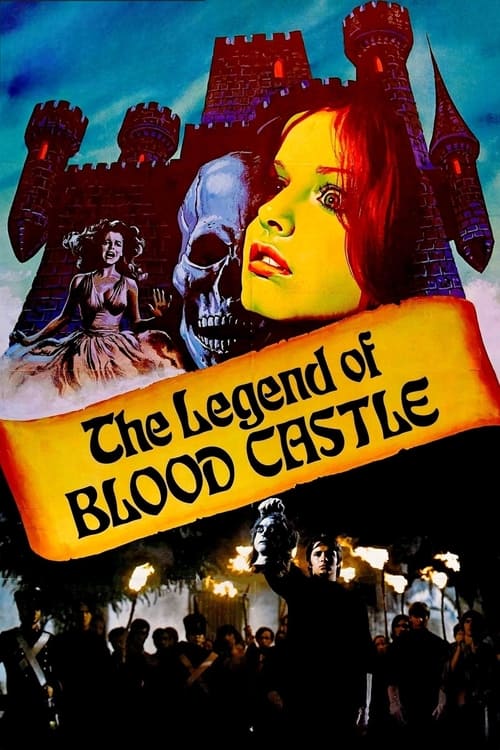
1973

1974
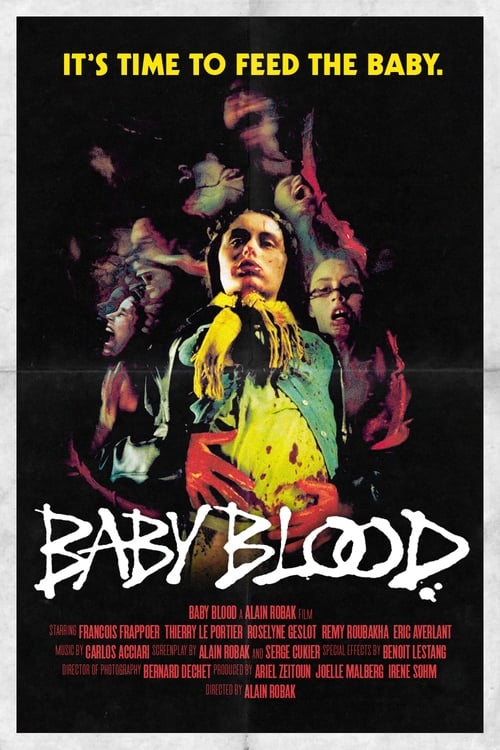
1990

2014
1972

1970

1987

1973

1970
No reviews yet. Be the first to share your thoughts on this movie!
Use the rating form above to leave a star rating and optional review.