
Slices
2008
No user ratings available yet
Representation score: 3.1 out of 10
Representation Score
Limited
1983
RDirector
Joseph Sargent
Runtime
99 minutes
Average Rating
No ratings yetNew Showbiz Analysis
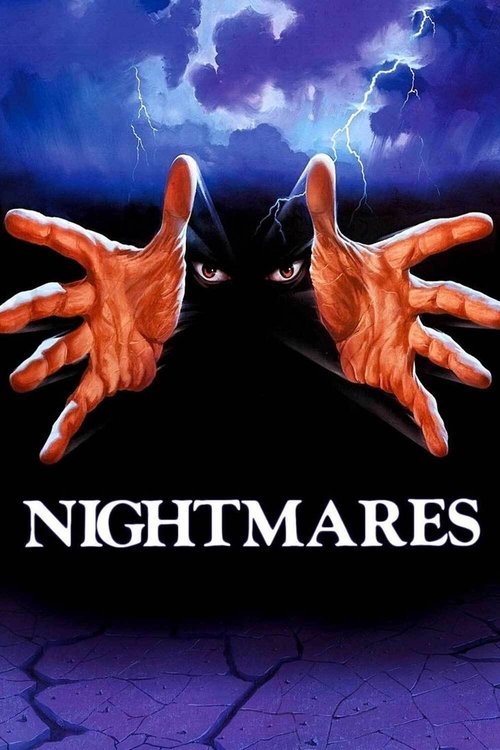
Nightmares is a psychological study of communal fragility that prioritizes the deconstruction of social order over demographic breadth. The anthology uses horror to examine how quickly established norms and moral cohesion can dissolve under pressure. While the film offers a nuanced look at religious skepticism and the dangers of vigilantism, it operates within a very narrow social framework. The vignettes focus on localized, Anglo-Saxon communities, leaving little room for diverse perspectives. Ultimately, the film functions as a period-specific exploration of the social contract. It succeeds in its thematic examination of paranoia but fails to provide representation beyond traditional, homogenous archetypes.
Category Breakdown
The film does not include any LGBTQ+ characters or narratives. It focuses on traditional social structures and immediate psychological threats.
The film relies on traditional gender roles, especially within domestic settings. One segment explores female vulnerability and isolation but adheres to conventional clichés of danger.
The setting reflects a homogeneous, small-town American demographic. The film lacks diverse racial or ethnic perspectives, reinforcing a monolithic view of suburban life.
The film critiques the fragility of Western social institutions and religious disillusionment. It explores the breakdown of legal authority and the rise of communal paranoia.
There is no meaningful portrayal of disability. Characters are defined by their psychological responses to external threats rather than physical or neurodivergent traits.
Present on Screen
Limited or Absent
Official Synopsis
A collection of short stories. In one a woman who leaves her house late at night to drive to the store while a killer is loose encounters some problems. In the second an arcade whiz kid's obsession with a game leads to deadly consequences. In the third a small town priest loses his faith and decides to leave town, but in the desert is stalked by a mysterious black pick-up truck. In the final story, a family's problem with a rat is larger than they think.
2008

1963
1979
1965
1988
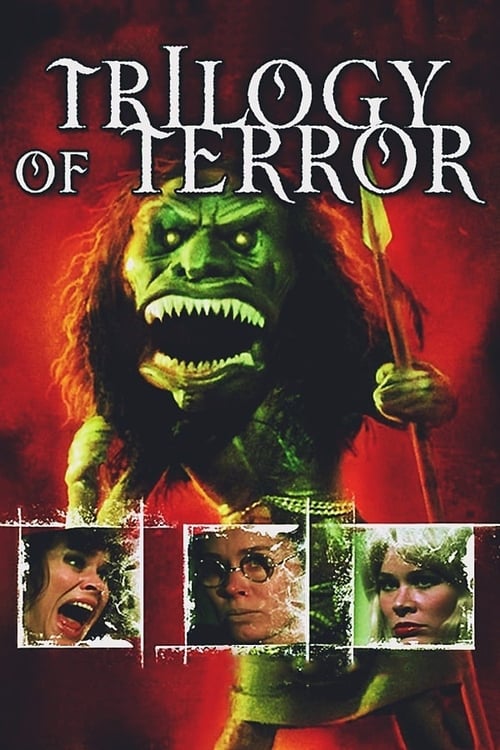
1975
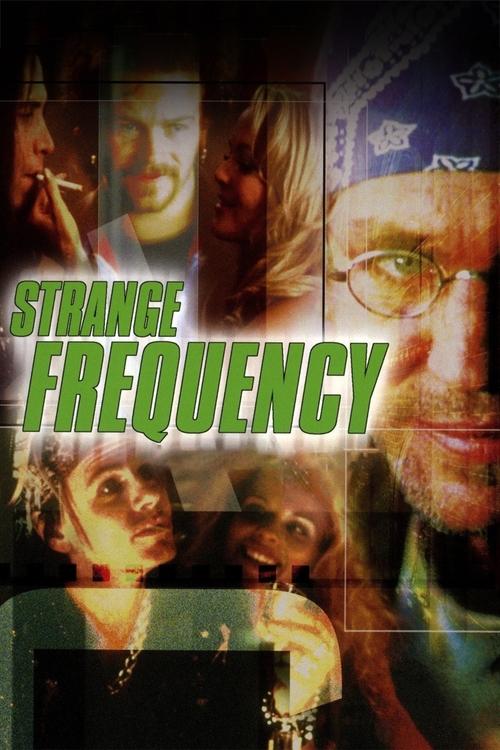
2001
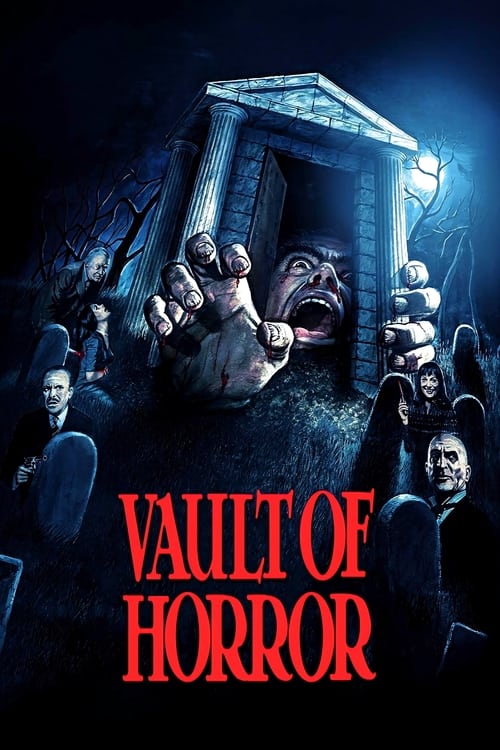
1973
No reviews yet. Be the first to share your thoughts on this movie!
Use the rating form above to leave a star rating and optional review.