Tommy Atkins in the Park
1898
No user ratings available yet
Representation score: 0.8 out of 10
Representation Score
Minimal
1898
Director
Robert W. Paul
Runtime
1 minutes
Average Rating
No ratings yetNew Showbiz Analysis
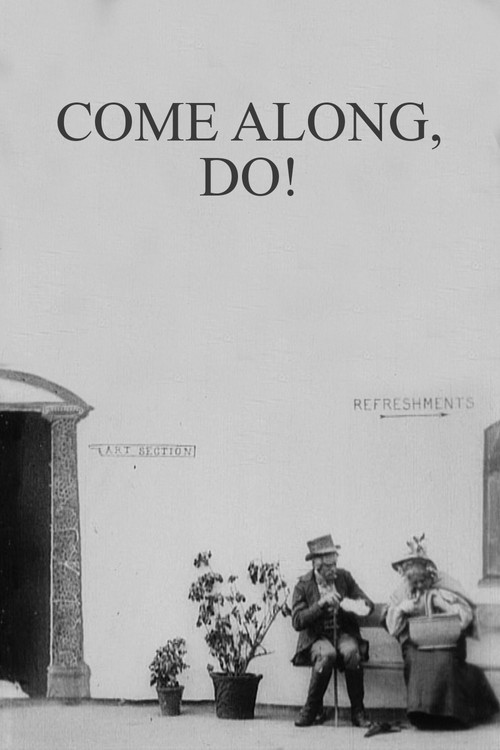
This 1898 comedy is a technical milestone for its early use of film continuity rather than a vehicle for social commentary. The narrative is deeply rooted in the era's demographic and social norms, offering little in the way of diverse representation. The film captures a standard marital dynamic and middle-class social activities, functioning primarily as a document of early cinematic form, adhering to the traditional structures of the late 19th century.
Category Breakdown
The film does not include any LGBTQ+ identities or same-sex relationships. It focuses solely on a traditional marriage.
The film features a husband and wife dealing with domestic issues related to art. While the wife expresses her frustration, the narrative relies on conventional marital clichés.
The cast appears uniform, reflecting the demographics of late 19th-century Britain. There is no evidence of non-white actors or ethnic diversity.
The story centers on typical middle-class leisure activities at an art gallery. It adheres to the social norms and Western traditions of the time.
The surviving film fragments do not provide any information about the portrayal of physical or neurodivergent identities.
Present on Screen
Limited or Absent
Official Synopsis
Come Along, Do! is an 1898 British short silent comedy film, produced and directed by Robert W. Paul. The film was of 1 minute duration, but only forty-some seconds have survived. The whole of the second shot is only available as film stills. The film features an elderly man at an art gallery who takes a great interest in a nude statue to the irritation of his wife. The film has cinematographic significance as the first example of film continuity. It was, according to Michael Brooke of BFI Screenonline, "one of the first films to feature more than one shot." In the first shot, an elderly couple is outside an art exhibition having lunch and then follow other people inside through the door. The second shot shows what they do inside.
1898
1900
1895
1899
1901

1908
1901
1898
No reviews yet. Be the first to share your thoughts on this movie!
Use the rating form above to leave a star rating and optional review.