
School's Out
2018
No user ratings available yet
Representation score: 5.1 out of 10
Representation Score
Good
2012
RDirector
François Ozon
Runtime
105 minutes
Average Rating
No ratings yetNew Showbiz Analysis
François Ozon’s film is a sophisticated psychological study that prioritizes postmodern narrative techniques over demographic diversity. It challenges the stability of Western social institutions, such as schools and families, by presenting them as sites of voyeurism. However, the film lacks traditional diversity metrics. It operates within a narrow, homogeneous socioeconomic bubble that offers little engagement with racial or LGBTQ+ identities. Ultimately, the work finds its progressive value in its deconstruction of authority and its embrace of moral relativism rather than in its representation of diverse identities.
Category Breakdown
The film does not focus on LGBTQ+ identities or same-sex relationships. Instead, it explores a teacher-student dynamic within a traditional social context.
The narrative challenges traditional gender roles by highlighting the intellectual ability to act of a female student. It also subverts the typical portrayal of a competent male authority figure by showing the teacher as emotionally unstable and ethically compromised.
Set in a homogeneous middle-class French academic environment, the film lacks diverse casting. The story remains confined within a specific cultural and socioeconomic context.
The film effectively deconstructs institutional integrity and questions the sanctity of the family unit. It suggests that the pursuit of artistic truth can justify social transgressions through moral relativism.
The film does not focus on visible or invisible disabilities. Psychological states are explored through themes of obsession and manipulation, rather than through neurodivergence or chronic health conditions.
Present on Screen
Limited or Absent
Official Synopsis
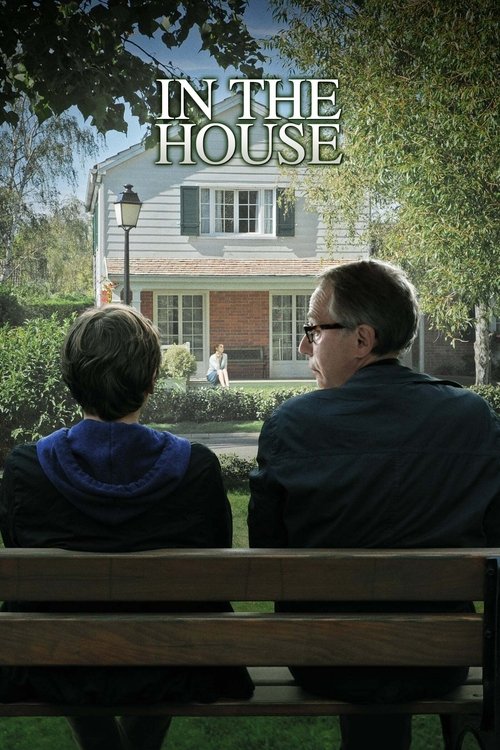
A sixteen-year-old boy insinuates himself into the house of a fellow student from his literature class and writes about it in essays for his French teacher. Faced with this gifted and unusual pupil, the teacher rediscovers his enthusiasm for his work, but the boy’s intrusion will unleash a series of uncontrollable events.
2018
2016

2022
2009

2014
2018
2012
2006
No reviews yet. Be the first to share your thoughts on this movie!
Use the rating form above to leave a star rating and optional review.