
Per te
2025
No user ratings available yet
Representation score: 7.7 out of 10
Representation Score
Fair
2020
Director
Enrico Iannaccone
Runtime
98 minutes
Average Rating
No ratings yetNew Showbiz Analysis
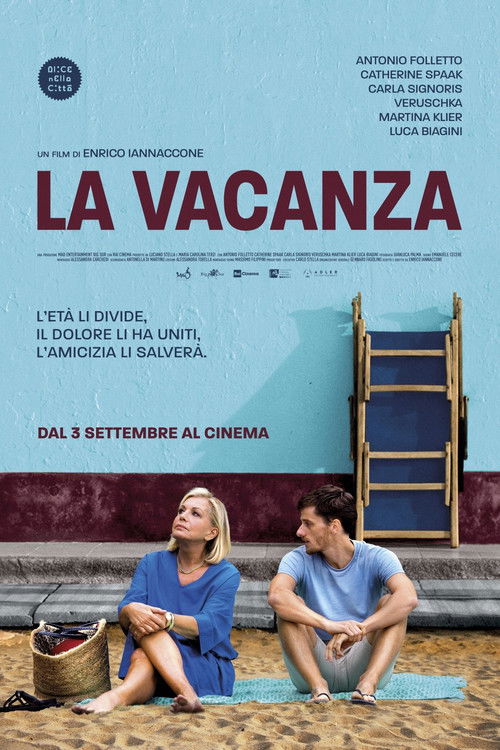
La vacanza is a character-driven psychological drama that prioritizes individual resilience over broader social critiques. It succeeds in providing a dignified portrayal of neurodegeneration through Carla, a former magistrate who maintains her ability to make decisions despite her diagnosis. While the film offers meaningful female professional representation, it remains within a traditional social framework. The narrative lacks complexity around different backgrounds or social hierarchies, focusing instead on personal trauma. Ultimately, the film is a localized Italian drama that explores human connection through a Mediterranean lens, lacking the diverse casting or systemic challenges needed for a higher score.
Category Breakdown
The film does not include any visible non-straight or non-cisgender identities or same-sex romantic arcs. The focus remains on the emotional bond between the two leads and a shared female figure.
Carla provides strong representation as a former magistrate, avoiding passive female stereotypes. However, the central dynamic may lean toward traditional emotional archetypes regarding the characters' shared torment.
The cast and setting reflect a predominantly Mediterranean demographic. There is no evidence of intentional blending of different racial backgrounds or efforts to challenge Eurocentric casting norms.
The narrative explores moral complexity through personal secrets and past pains. It focuses on individual psychological journeys rather than critiquing Western institutions or social frameworks.
The depiction of Alzheimer's offers nuanced representation of cognitive disability. By emphasizing Carla's desire to live, the film avoids inspirational stories and focuses on her ability to take control of her life.
Present on Screen
Limited or Absent
Official Synopsis
An upcoming film directed by Enrico Iannaccone. Valerio (Antonio Folletto) is a thirty year old man who leads a self-destructive life. The still beautiful Carla (Catherine Spaak) is an ex-magistrate, who begins to show the first signs and symptoms of Alzheimer's. Contrary to Valerio she has an overwhelming desire to live. These two tormented souls become friends and together they find the strength to confront the pains and secrets of their past. They are both related to a mysterious woman, Anneke (Veruschka von Lehndorff ). This is a journey of two people who are so different and yet so similar, sharing their most painful emotions. It will lead them to the discovery of a new way of loving.
2025

2019
2010
2021

2018

2023
2023

2020
No reviews yet. Be the first to share your thoughts on this movie!
Use the rating form above to leave a star rating and optional review.