
The Jönsson Gang in Mallorca
1989
No user ratings available yet
Diversity score: 3.4 out of 10
1975
Director
Sindoval Aguiar, Braz Chediak
Runtime
87 minutes
Average Rating
No ratings yetSynopsis
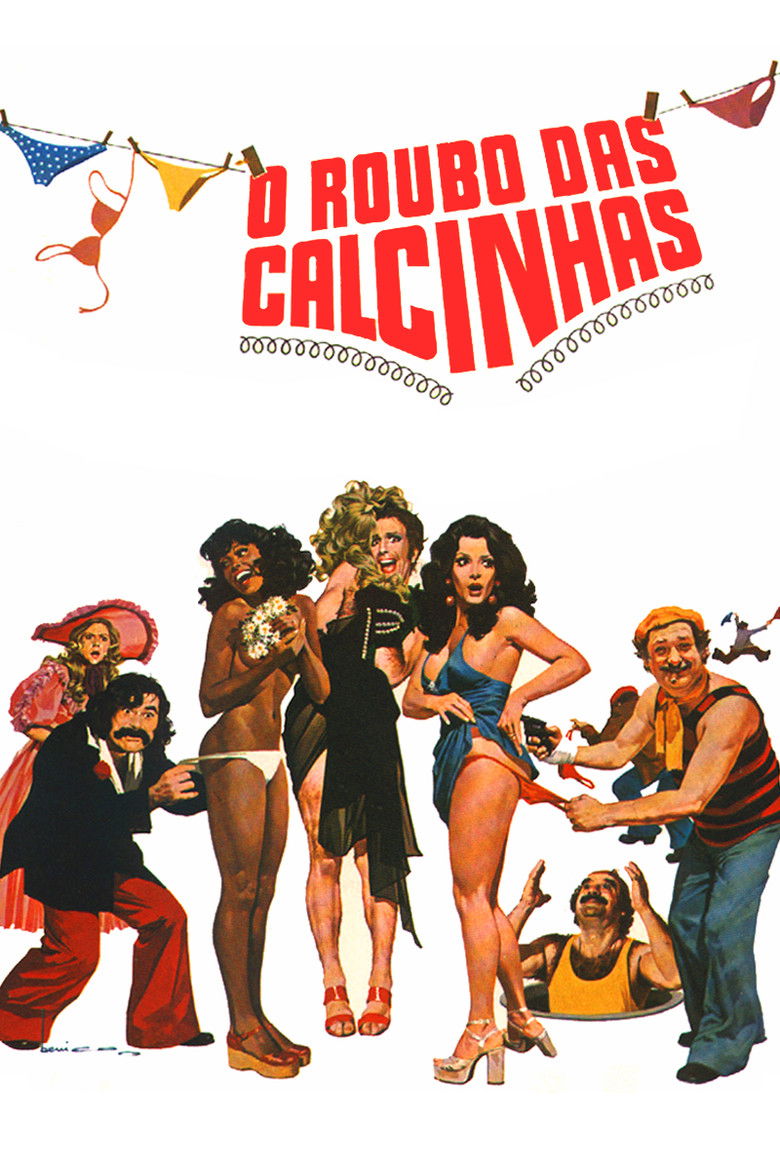
Brazilian comedy in two segments. 'Theft of the Panties': Four friends are broke during Christmas. Genaro decides to rob a brothel because he thinks that the victims won't call the police. To get to know the place, one of the friends, Alfredo, disguises as a woman and goes there with Genaro. They set up a plan and then return to execute the robbery. 'I Love Cod': The owner of a bar in the suburbs, the Portuguese Manuel, wins the sports lottery. Three mechanics find themselves wronged for having almost won the prize and abduct Manuel's wife, demanding ransom. Manuel refuses to pay, as he finally got rid of his wife and can now win the woman of his dreams. Knowing this, the wife collaborates with the kidnappers to reverse the plan: Manuel will have to pay the ransom if he does not want to see her again.
Overall Score
Limited
Category Breakdown
LGBTQ+ Representation
Gender performance is used primarily as a comedic device. Alfredo’s female disguise serves as a source of situational irony and ridicule rather than an exploration of identity.
Gender Representation
Women are largely depicted within domestic or sexualized contexts. While a wife shows agency by subverting her marriage, it is framed as domestic dysfunction rather than a systemic challenge.
Racial & Ethnic Diversity
The film reflects a standard demographic snapshot of the era's working class. However, it lacks explicit focus on intersectional racial dynamics or high-agency characters of color.
Religious & Cultural Diversity
The narrative relies on traditional tropes of greed and crime. It operates within existing social frameworks rather than offering an anti-institutional or cultural critique.
Disability Representation
There is no discernible mention of characters with visible or invisible disabilities in the narrative.
Strengths
Areas for Improvement
AI Analysis
O Roubo das Calcinhas is a period-specific comedy that prioritizes episodic farce over social critique. The film uses transgressive elements like theft and kidnapping to drive humor, but these actions do not aim to dismantle established social hierarchies. The characters operate within the conventional morality plays of the 1970s. While the setting implies a diverse Brazilian social fabric, the storytelling lacks the intersectional depth required to challenge patriarchal or racial structures. Ultimately, the work functions as a snapshot of regional comedic traditions. It utilizes gender non-conformity and social instability for laughs rather than for meaningful character development or progressive representation.
1989

2005

1962

1982

1985

1982

1991

1964

1966
1958
1981

2021
No reviews yet. Be the first to share your thoughts on this movie!
Use the rating form above to leave a star rating and optional review.