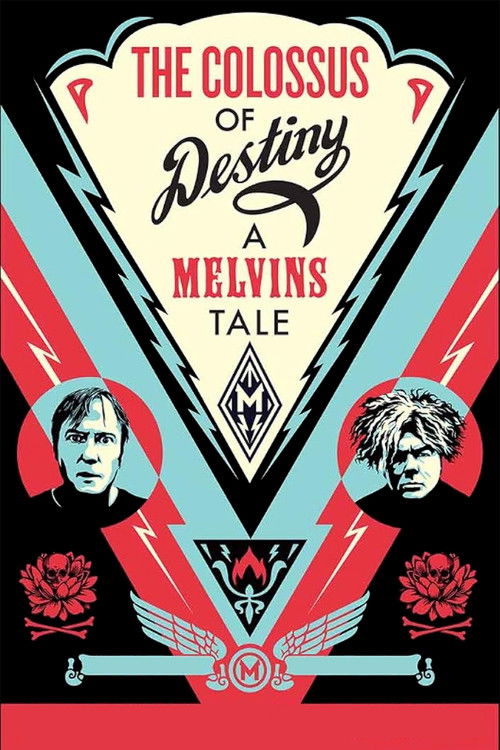
The Colossus of Destiny: A Melvins Tale
2016
No user ratings available yet
Representation score: 4.4 out of 10

Representation Score
Fair
2019
PG-13Director
Marco Porsia
Runtime
161 minutes
Average Rating
No ratings yetNew Showbiz Analysis
The documentary functions as a biographical study of Michael Gira and the evolution of Swans. It prioritizes the raw reality of the artistic process over a polished industry narrative, focusing on the friction between the individual and systemic structures. While the film excels at portraying non-conformist lifestyles and existential struggles, it lacks specific demographic data. The narrative structure leans toward a critique of institutional stability rather than a diverse cast of characters. Ultimately, the film's strength lies in its thematic disruption of conventional success stories, though it offers little in the way of verifiable characters who reflect more than one aspect of diversity.
Category Breakdown
The film explores the industrial music subculture, which often intersects with non-straight and non-cisgender identities. However, there are no specific LGBTQ+ characters or queer-centric storytelling in the narrative.
The documentary centers on Michael Gira, a male protagonist. While the band is described as a collection of individual performers, the focus remains heavily on Michael Gira himself.
The narrative focuses on the internal history and archives of a specific musical entity. There is no verifiable information regarding the racial composition of the band or performers.
The film challenges capitalist ideals by portraying art as an existential necessity. It highlights a rejection of traditional stability in favor of a complex, anti-institutional view of creative survival.
There is no evidence to suggest that neurodivergence, physical disabilities, or mental health conditions are central themes or addressed within the archival footage.
Present on Screen
Limited or Absent
Official Synopsis
From their roots as a brutal, confrontational industrial band, through breakups and chaos, to their odds-defying current status as one of the most accomplished and ambitious bands in the world, one whose concerts are more like ecstatic rituals than nostalgic trips. SWANS has always been a collection of singular performers, but there's been one constant since its formation in 1982--singer, songwriter Michael Gira. 'Where Does a Body End?' is a SWANS documentary with unfettered access to hundreds of hours of Gira/SWANS archives of never-seen-before recordings, videos, and photographs. An unfiltered story of a life in the arts, frequent difficulty spanning decades without a safety net, creating work because Gira says "What else am I going to do?"
2016

2021

2012

2016

2011

2021

1993

2008
No reviews yet. Be the first to share your thoughts on this movie!
Use the rating form above to leave a star rating and optional review.