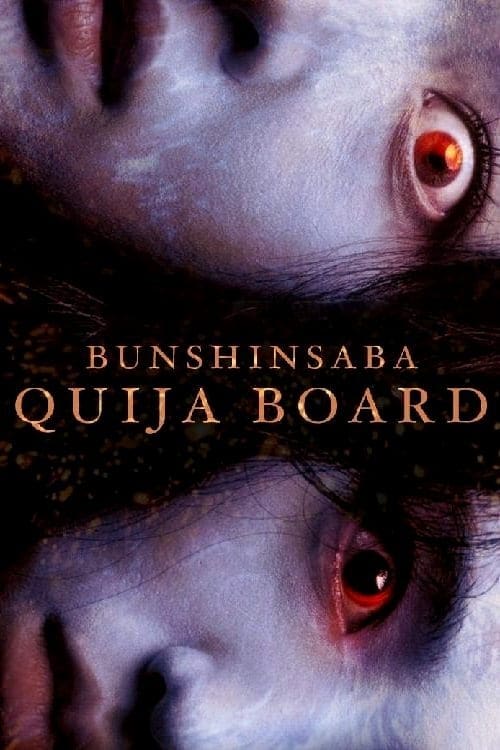
Bunshinsaba: Ouija Board
2004
No user ratings available yet
Representation score: 5.2 out of 10
Representation Score
Fair
2014
RDirector
Yoo Young-seon
Runtime
93 minutes
Average Rating
No ratings yetNew Showbiz Analysis
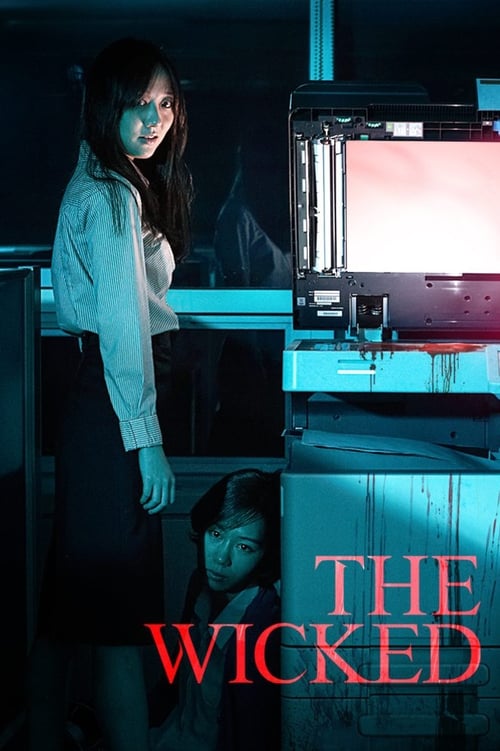
The film is a character-driven psychological horror that challenges traditional gender hierarchies. By making the source of fear a subordinate rather than a traditional male antagonist, it questions conventional views of female leadership and stability. However, the film lacks depth in terms of LGBTQ+ identities and racial diversity. It remains a localized study of interpersonal conflict, focusing narrowly on psychological dynamics rather than broader social critiques. Ultimately, the film provides a nuanced look at human ability to act through a dark, female-centric lens, even though it misses opportunities to explore more diverse social identities.
Category Breakdown
The film does not explicitly depict non-straight relationships or same-sex intimacy. Saeyoung's obsession with Leesun creates tension, but it is presented as psychological horror rather than a story about LGBTQ+ identities.
The story upends traditional gender hierarchies by focusing on a high-stakes power struggle between two women. It avoids typical domestic scenarios, instead showing how a subordinate can make a powerful woman feel vulnerable and afraid.
As a South Korean production, the film operates within a culturally specific, ethnically homogeneous context. It serves as a localized psychological study rather than a global exploration of diverse racial identities.
The narrative avoids a traditional moral compass by blurring the lines between victim and aggressor. It focuses on interpersonal psychological dynamics rather than critiquing specific institutions or ideologies.
There are no visible or invisible disabilities portrayed with significant impact. The plot does not use neurodivergence or chronic illness as central narrative devices.
Present on Screen
Limited or Absent
Official Synopsis
Saeyoung is a new employee who eventually stands against Leesun, her stubborn team leader. Leesun is upset by Saeyoung's behavior, but she soon learns about ominous stories about Saeyoung. As the stories about Saeyoung are revealed one after another, she becomes a source of fear to Leesun. Saeyoung's stalking-like bullying continues, and Leesun tries to run away from her.
2004
1999
2009
2000

2014
2004
2020
2015
No reviews yet. Be the first to share your thoughts on this movie!
Use the rating form above to leave a star rating and optional review.