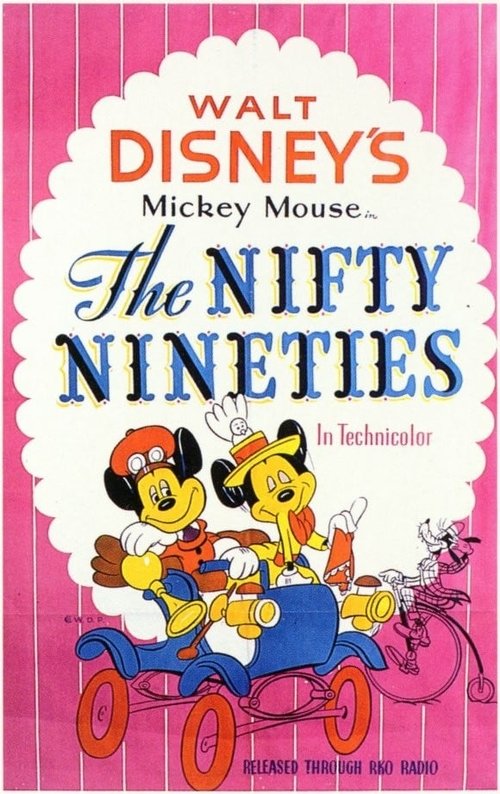
The Nifty Nineties
1941
No user ratings available yet
Representation score: 1.1 out of 10
Representation Score
Limited
1941
NRDirector
Riley Thomson
Runtime
10 minutes
Average Rating
No ratings yetNew Showbiz Analysis
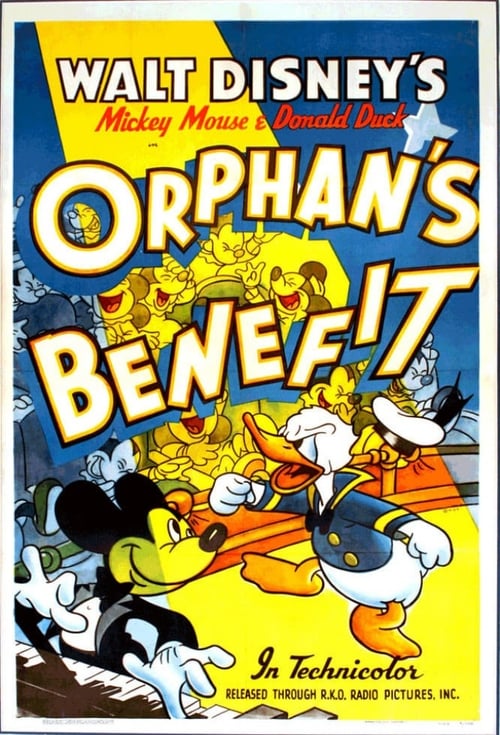
Orphans' Benefit is a quintessential example of 1940s studio animation, emphasizing slapstick and ensemble character dynamics over social commentary. The narrative centers on a variety show performance, highlighting the comedic frustrations of characters like Donald Duck. The film operates entirely within the conventional social and narrative frameworks of its time. It does not attempt to challenge gender roles, explore diverse identities, or engage with systemic social issues, resulting in a very traditional viewing experience. Ultimately, the short functions as a straightforward episodic comedy. Its reliance on physical humor and established archetypes means it lacks the intentionality required for progressive or characters who reflect more than one aspect of diversity.
Category Breakdown
The variety show format does not include any depictions of LGBTQ+ identities. Character interactions follow traditional comedic structures without any queer undertones.
Female characters such as Clarabelle appear in musical segments but stay within traditional comedic roles. The film does not challenge or subvert typical gender dynamics.
The anthropomorphic cast does not explore racial or ethnic diversity. The narrative adheres to a homogeneous, Western-centric comedic style.
The film follows a standard Western revue format. It does not address moral relativism or critique traditional social institutions.
Humor is derived from physical mishaps and slapstick. Characters' physical struggles are used for comedy without offering nuanced representation.
Present on Screen
Limited or Absent
Official Synopsis
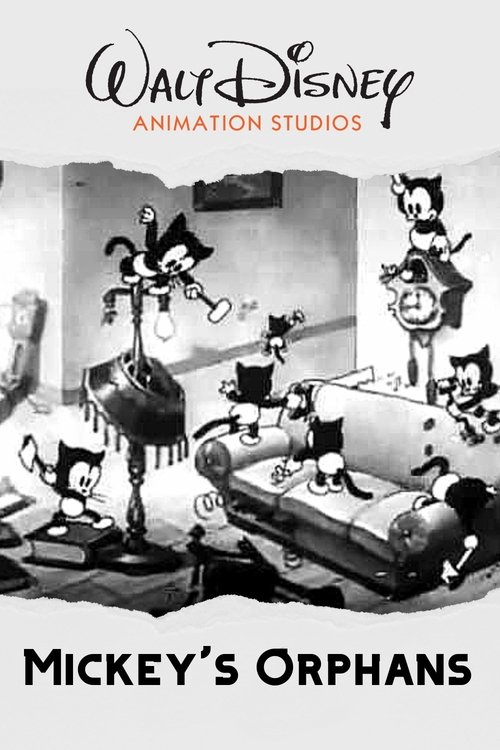
Mickey and friends put on a revue for the orphans. Donald recites nursery rhymes, but the orphans torment him. Horace, Goofy, and Clarabelle do a dance number. Donald tries again. Clara clucks a song while Mickey plays piano (with support from an unseen orchestra). Donald returns, and the orphans finally send a parade of bricks and eggs on balloons over him and use slingshots to drop them on his head.
1941
1941
1942
1945
1950
1931
1942
1936
No reviews yet. Be the first to share your thoughts on this movie!
Use the rating form above to leave a star rating and optional review.